5-Minute Very Rapid Results for Emergency Drug Screening

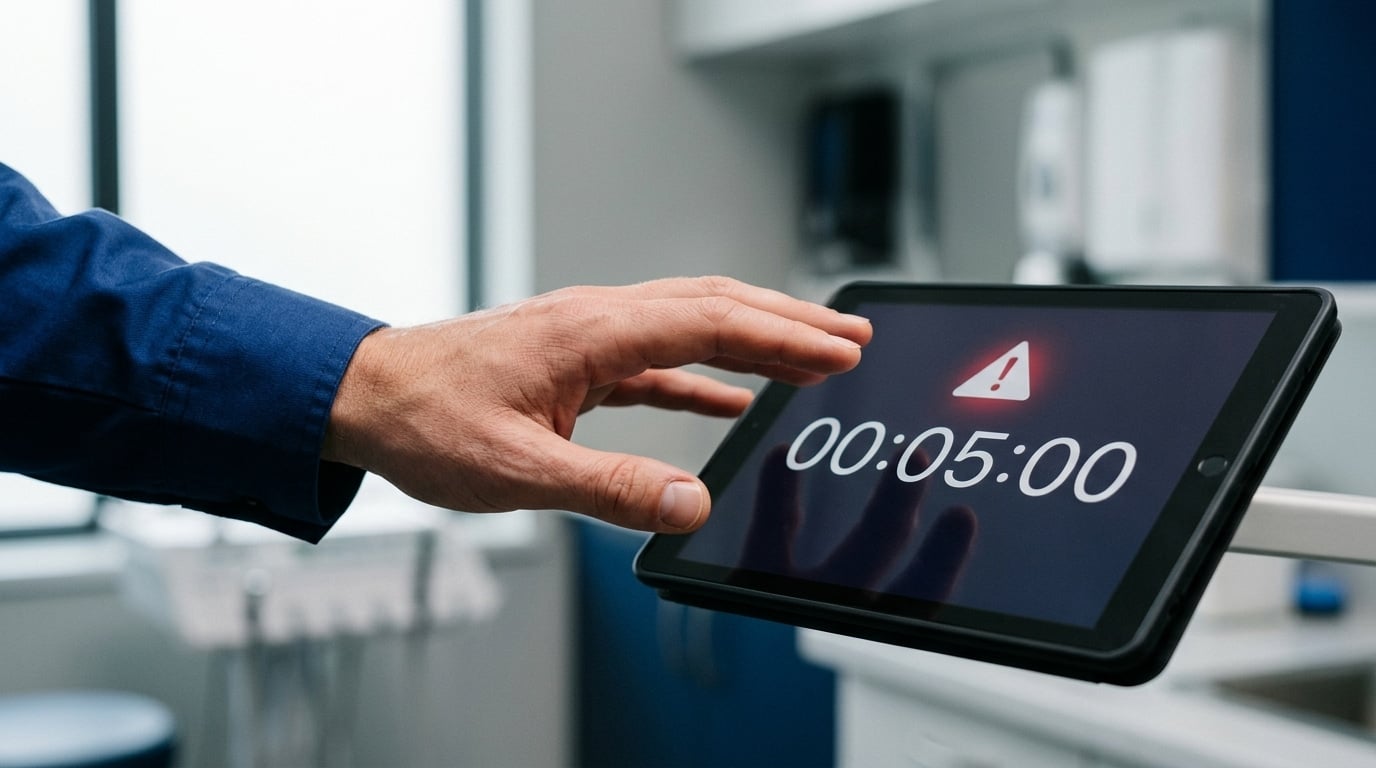
When an emergency screening decision cannot wait, your testing method has one job: deliver a fast, clear result you can act on immediately. That sounds straightforward, but many screening setups break down when speed matters most. This article explains what 5-minute rapid results actually mean, where delays usually start, and how to tell whether your current method is ready for urgent use.
Why do 5-minute results matter in emergency screening?
In an urgent setting, even a short delay can trigger a chain reaction. Staff are left waiting, next steps stall, and the underlying risk remains unresolved. When a clinic, employer, treatment program, or public safety team needs an immediate answer, every extra minute adds pressure and reduces the value of the screen.
Fast results matter because screening is often the first decision point. A quick negative result can support immediate clearance for the next step. A non-negative result can trigger removal from duty, further review, lab confirmation, or medical follow-up. The screen does not close the case, but it gives decision-makers a useful first answer.
What slows down a drug screening process?
Most delays do not start with the sample. They start with the method. If your process depends on shipping, lab intake, batch processing, or trained technical staff, urgent screening becomes difficult to manage. Even a strong lab system cannot solve a problem that requires an answer on the spot.
Workflow friction is another common issue. A test with too many steps, unclear result windows, or extra handling requirements can slow staff down in real-world use. Emergency screening needs a method that stays simple under pressure.
Common delay points
- Sending samples off-site for first-line screening
- Waiting hours or days for lab intake and processing
- Using tests that require trained technical operators
- Relying on methods with hard-to-read result windows
- Adding manual paperwork before a result is available
- Using single-drug tests when a broader screen is needed
Can your current testing method truly deliver a 5-minute result?
The best way to answer that is to test your process from start to finish, not just trust the package claim. Look at what happens from collection to result review. If staff cannot collect, run, and read the test in a few minutes without confusion, then the method does not meet real-world emergency demands.
A true rapid screen should fit the moment. The user collects the sample, starts the test, waits a short period, and reads the result on site. No shipping. No analyzer. No technical bottleneck. That is what makes 5-minute screening useful in an emergency.
What should you look for in an emergency drug screening test?
Speed matters, but speed alone is not enough. In urgent screening, you need a test that delivers quick results and supports confidence in the process. The product should be easy to use, broad enough to cover the substances you care about, and practical in settings where non-technical staff may be handling the test.
You also need to consider the actual risk in front of you. Many buyers still focus on older panel lists even though the threat profile has changed. A panel that includes fentanyl matters because emergency screening should reflect current substance exposure, not outdated patterns.
Key checklist for urgent use
- Fast read time: Results available in about 5 minutes
- Broad screening range: Multiple substances in one test
- Current risk coverage: Inclusion of fentanyl matters
- Easy operation: Clear steps for non-technical staff
- Appropriate certification: CLIA waived status supports wider use settings
- Reliable screening quality: FDA approval adds another layer of trust
Is a rapid test accurate enough for emergency decisions?
This is one of the most common buyer questions, and the short answer is yes for screening use, with one important limit. A rapid drug test works as a first-line screen. It helps rule out many negatives right away and flags non-negative results for follow-up. That is why rapid tests are so useful in clinics, workplaces, treatment programs, and public safety settings.
The key is using the test for the right purpose. A rapid cup is built for screening, not final forensic confirmation. If the result is non-negative and the situation calls for a verified final answer, lab confirmation is the next step. That two-step approach gives you speed first and full confirmation when needed.
Who benefits most from 5-minute on-site screening?
Any group that needs to act quickly benefits from on-site rapid testing. Employers use it after incidents or before safety-sensitive work begins. Clinics use it when care decisions depend on immediate screening information. Treatment programs use it to monitor compliance and guide the next visit. Probation departments and public agencies use it when they need direct, on-the-spot screening.
Parents and private buyers value speed too, but operational users tend to feel the pressure most. If your setting loses time, money, or control every time you wait for outside results, rapid point-of-care testing solves a very specific problem.

How does a test cup help in urgent situations?
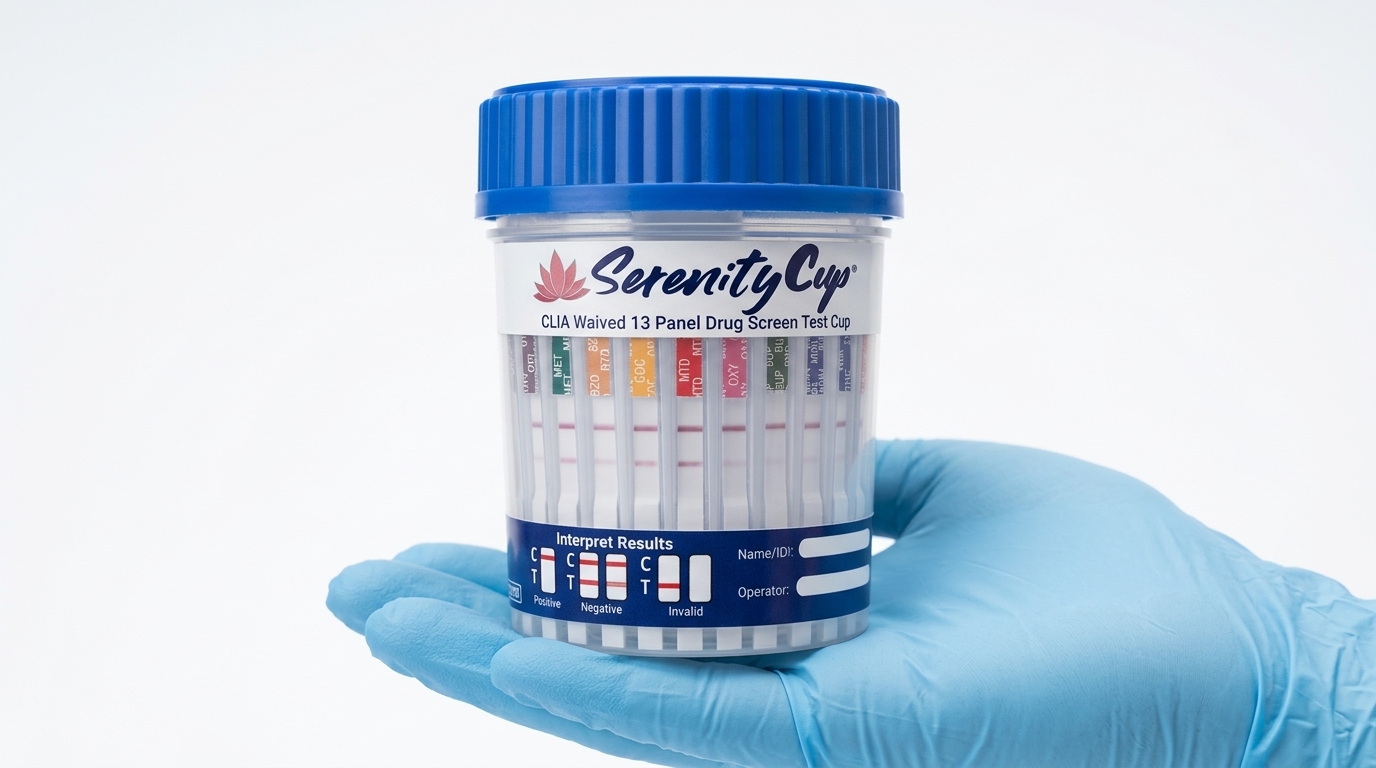
A cup format keeps the process tight. Collection and screening happen in one device, which reduces handling and cuts down on confusion. That matters in urgent settings where staff need a clear, repeatable workflow. A simpler collection method also makes training easier because teams learn one process instead of juggling multiple steps.
For buyers managing higher volume, the cup format also improves consistency. If the same process works across shifts, sites, and staff members, result timing becomes more predictable. In emergency screening, process control matters almost as much as the chemistry inside the test.
Why does CLIA waived status matter here?
CLIA waived status matters because it supports use in settings that do not have specialized lab staff available. In practical terms, it allows more workplaces, clinics, and field teams to run screening without creating a lab-style operation. That fits emergency use, where access and speed both matter.
For buyers, this is a practical point, not a technical one. If non-technical staff need to run the test, the testing method should match that reality. A product designed for routine staff use lowers the training burden and helps keep screening available when urgent cases come up.
Should fentanyl be part of an emergency screening panel?
Yes, if your goal is to match current risk. Emergency screening should reflect the substances causing harm now, and fentanyl belongs on that list. A panel that misses a major threat leaves a blind spot at the exact moment you need clear information.
That does not mean every use case is identical. Buyers should still match the panel to the setting. But if emergency screening is the issue, fentanyl coverage deserves serious attention. It is now one of the first things many buyers check when comparing test options.
How do you know when it is time to replace your current method?
If your team keeps asking where the results are, your method is too slow. If urgent cases force workarounds, your method is too rigid. If your process depends on trained specialists or off-site handling just to get the first answer, it was not built for emergency screening.
Replacement also makes sense when your panel no longer matches actual substance risk or when staff need a simpler workflow. The right product should remove friction, shorten decision time, and give you a practical screen at the moment you need it.
Signs your current method is falling short
- You cannot get an on-site result in about 5 minutes
- Your first answer depends on a lab
- Staff need extra training to run the test correctly
- Your panel misses fentanyl
- Your workflow slows down during urgent events
- Your cost per decision rises because every case moves to more expensive testing
What is the best fit for buyers who need speed, ease, and broad screening?
If emergency screening demands a fast answer, a multi-panel rapid test cup is usually the strongest fit. It combines collection and screening in one process, shortens result time, and works well in settings where specialized lab staff are not part of the workflow. For many buyers, it is the simplest way to move from uncertainty to action.
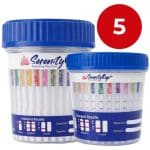
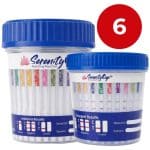
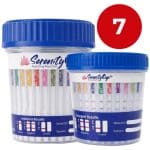
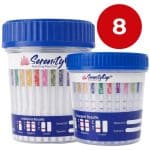
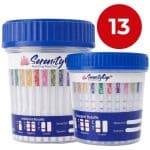
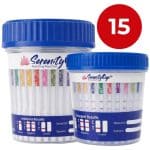
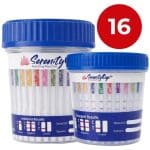
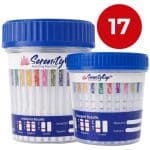
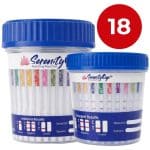
A strong option in this category is the CLIA Waived 13 Panel Drug Screen Test Cup. It provides results in 5 minutes, includes fentanyl in the screening panel, and combines FDA approval with CLIA waived status. That mix fits buyers who need a quick, practical screen without adding lab-style delays.
FAQ
Are 5-minute drug test results final?
No. A rapid result is a screening result. Negative screens can help you move forward right away, while non-negative screens should go to confirmation when policy or case facts require it.
Can non-technical staff run an emergency drug screen?
Yes, if the product is suitable for that setting. A CLIA waived test helps support use by non-technical staff, which makes on-site screening more realistic for many workplaces and clinics.
Why choose a multi-panel cup instead of separate tests?
A multi-panel cup saves time and reduces handling. In an urgent situation, one collection using one clear device is easier to manage than several separate tests.
Conclusion
Emergency screening only works when the first result arrives quickly enough to guide the next step. If your current method adds delay, confusion, or gaps in panel coverage, it is time to replace it. For fast on-site screening with a practical workflow, choose CLIA Waived 13 Panel Drug Screen Test Cup from 12 Panel Now.