Is Your 13-Panel Test Outdated? What to Check First


A 13-panel drug test may sound comprehensive. But the real question is simpler: does it screen for the substances that matter now? Drug trends change, and buyers who assume every 13-panel cup covers the same drugs can make an expensive mistake. Here’s how to check a test before you buy.
Why a “13-panel” label does not tell you enough
Many buyers see “13-panel” and assume it means broad, standardized coverage. It doesn’t. The panel count tells you how many drug classes or analytes the cup screens for, not which ones those are. Two products can both be sold as 13-panel tests and still target very different substances.
That matters even more now because many buyers are focused on newer high-risk drugs, especially fentanyl. If your current cup leaves out a substance that shows up in your setting, the panel count offers false reassurance. What you need is the actual drug menu, not just the number on the box.
What substance changes have made older test menus less useful?
The biggest shift is the rise of emerging and high-risk substances across workplaces, clinics, recovery programs, and community settings. A test menu that made sense a few years ago may miss what buyers now need to catch first. Fentanyl is the clearest example because of its impact and urgency.
Older panel setups also reflected older buying habits. Many buyers focused only on common legacy drugs. Today, screening needs are broader. If you keep using an old menu without reviewing it, you may be paying for a product built around yesterday’s concerns rather than today’s risks.
How do you tell if your current 13-panel test is outdated?
Start by comparing your current test’s drug list with your current risk profile. Don’t judge by panel count. Judge by the substances your program actually needs to screen for. If a seller can’t quickly confirm that list, take it as a warning sign.
Ask yourself a few basic questions:
- Does the test include fentanyl?
- Does the product clearly list every screened substance?
- Does the test fit your setting, such as workplace, clinic, probation, or at-home monitoring?
- Can staff use it without lab training?
- Can you get results fast enough for same-visit decisions?
If any of those answers is no, your current setup deserves a closer look.
Why fentanyl changes the buying decision
Fentanyl has changed what many buyers expect from a urine drug test cup. A panel that excludes fentanyl may miss one of the first substances many programs now want to screen for. That doesn’t make every older test useless, but it does make a lot of old buying assumptions risky.
This is where buyers often get it backward. They compare price, cup style, or brand familiarity before confirming fentanyl coverage. That order should be reversed. First verify the substance menu. Then compare speed, cost, and workflow. If the menu misses a top concern, the rest matters a lot less.
What should buyers check before the final purchase?
1. The exact substance menu
This should be your first filter. A careful buyer asks for the exact list of screened substances before looking at anything else. If a product includes fentanyl, that should be clear and easy to verify. If the wording is vague, keep looking.
2. Regulatory status
For many professional buyers, regulatory status matters almost as much as the drug menu. A product that is FDA approved and CLIA waived gives buyers more confidence in routine use. It also helps settings that need a test staff can run without complicated lab procedures.
3. Speed of results
Fast screening matters when you need to make a decision during the same visit or shift. A test cup that delivers results in about 5 minutes supports quick action. That helps employers, clinics, and monitoring programs avoid waiting days for an initial screen.
4. Ease of use
A cup should keep the process simple. If staff need too much training or the workflow creates confusion, errors become more likely. Buyers should look for a format that supports quick collection and easy reading in real-world settings.
5. Cost at scale
Bulk purchasing matters for buyers who test routinely. A lower per-test cost with shipping included can make a noticeable difference over a month or quarter. That’s especially important for employers, healthcare groups, and government programs ordering in volume.

Is a rapid test cup enough, or do you still need lab testing?
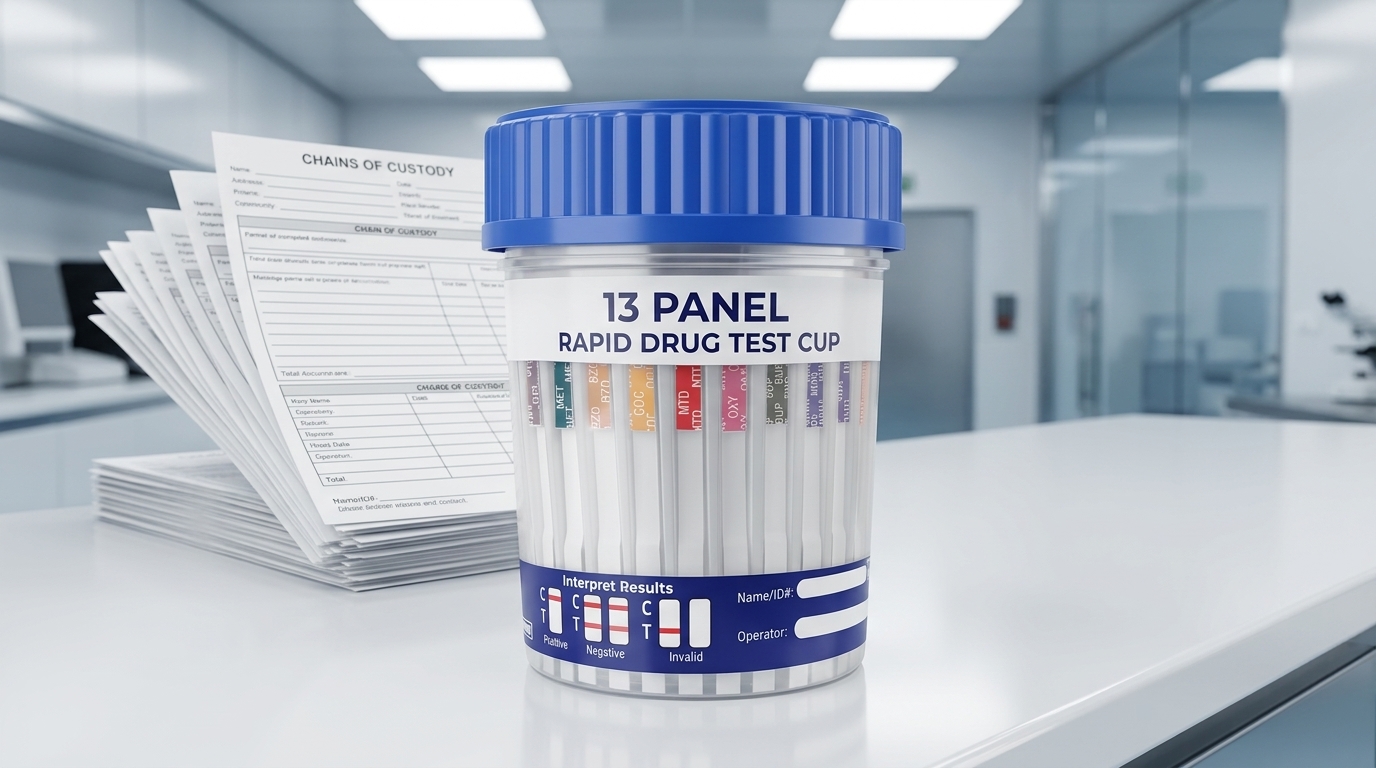
For many buyers, a rapid cup works well as the first screen. It provides quick on-site results and helps separate negatives from samples that need closer review. That saves time and reduces unnecessary lab spending on every sample.
Still, buyers should understand the role of screening. Rapid cups support immediate decisions, but a non-negative result may still require confirmation testing under your policy or setting rules. That doesn’t reduce the value of the cup. It simply shows why the right rapid screen is the right first step.
Who faces the highest risk from an outdated 13-panel test?
Several buyer groups face added risk when they use a weak or outdated menu. The cost of a mismatch isn’t just financial. It can affect safety, compliance, workflow, and trust in the testing process.
- Employers: They need screening that reflects current workplace risk.
- Clinics and treatment programs: They need quick visibility into current substance exposure.
- Probation and monitoring programs: They need a menu that reflects present-day misuse patterns.
- Parents and private buyers: They need clear, simple products that cover current concerns, not outdated assumptions.
What does a better buying process look like?
A better buying process starts with one rule: never buy by panel count alone. Buy based on verified coverage, clear status, and fit for your setting. That small shift helps buyers avoid the common mistake of assuming all 13-panel cups are basically the same.
Use this checklist before placing an order:
- Read the exact substance list.
- Confirm fentanyl coverage if it matters in your use case.
- Check for FDA approved and CLIA waived status.
- Confirm result time.
- Review pricing for the quantities you need.
- Choose a cup that non-technical staff can use with confidence.
So, what is the safest choice if you want to avoid an outdated test?
The safest choice is a product that answers today’s risk questions clearly. That means a 13-panel cup that includes fentanyl, delivers rapid results, works well for non-technical staff, and carries the certifications many professional buyers want to see. You shouldn’t have to guess whether the menu fits current conditions.
That’s why many buyers look for a product that combines current substance coverage with simple on-site use and clear regulatory standing. A test cup that checks those boxes helps you avoid one of the most common buying mistakes: choosing a familiar panel name that no longer matches the real risk.
FAQ
Does every 13-panel drug test check for the same drugs?
No. The number of panels does not guarantee the same substance menu. You need to review the exact list for each product before buying.
Why is fentanyl coverage such a big issue now?
Many buyers now treat fentanyl as a top screening priority because of its risk profile and its presence in current drug-use patterns. A test that leaves it out may miss a major concern.
What matters more: panel count or the actual drug list?
The actual drug list matters more. A higher or familiar panel count means very little if the test misses the substances that matter in your setting.
Conclusion
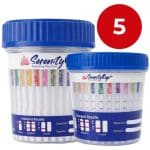
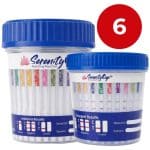
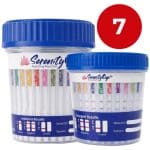
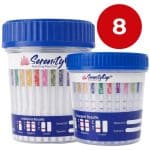
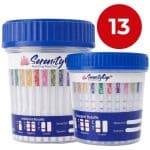
A 13-panel label should start your review, not end it. Before you buy, check the exact substances, make sure the cup fits current risk, and confirm that staff can use it quickly and correctly. For buyers who want a current menu with fast on-site screening, CLIA Waived 13 Panel Drug Screen Test Cup is a strong option from 12 Panel Now.