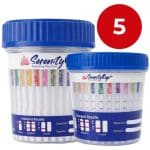
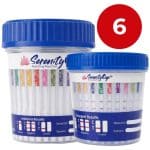
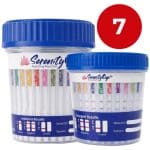
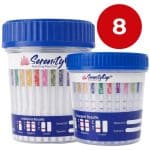
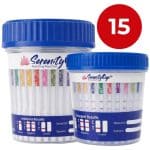
How to Verify a Rapid Drug Test Is Truly CLIA Waived


If you buy rapid drug tests in volume, one label carries more weight than most: CLIA waived. A product page may say it, and a sales rep may repeat it, but your team still needs proof before placing a bulk order. This guide explains what CLIA waived means, which documents to review, and which red flags should stop a purchase.
What does CLIA waived actually mean?
CLIA stands for the Clinical Laboratory Improvement Amendments. A CLIA-waived test falls into the low-risk category for point-of-care use when it is used exactly as cleared in the instructions. That matters for clinics, treatment programs, employer testing programs, and other professional settings that need straightforward screening tools without a full lab setup.
A common mistake is assuming that “rapid,” “professional use,” or “FDA cleared” means the same thing as CLIA waived. It doesn’t. A rapid test may not be CLIA waived, and a professional-use test still needs the proper clearance for your setting.
Why bulk buyers need to verify the claim
Bulk purchasing raises the stakes. If the tests arrive and your compliance team finds missing paperwork, unclear status, or a mismatch between the product and the listing, you are left with inventory you cannot use confidently. That can mean delays, replacement costs, and unnecessary internal headaches.
Verification also protects your workflow. Drug screening programs depend on consistency. If one lot, one cup format, or one panel configuration does not match your protocol, staff lose time fixing problems that should have been caught before checkout.
The first thing to check: the product itself, not just the website
Start with the exact product name and model. Do not rely on a category page or a broad statement such as “our cups are CLIA waived.” Verify that the specific test you plan to order holds that status. Small product differences matter. A 12-panel cup and a 15-panel cup may look like part of the same family while carrying different paperwork or intended-use language.
Ask for the product insert, box label, and any official clearance documents tied to that exact item. Match the panel count, sample type, and format. If you are buying a urine cup, the records should describe that urine cup, not a strip, card, or another multi-panel version.
What documents should professionals request before ordering?
A reliable supplier should be able to provide clear documentation quickly. Keep the review simple and direct.
- Product insert showing intended use and operating instructions
- Package or box label with the exact product identity
- CLIA-waived documentation tied to that exact test
- FDA clearance details if they are listed for the item
- Lot and expiration details for the shipment you expect to receive
If your organization has a compliance lead, send these files there before approving the purchase. That step usually saves much more time than it takes.
How to confirm the claim without guessing
Check the exact wording
The wording should be clear. Phrases such as “CLIA compliant,” “lab quality,” or “waiver ready” are not the same as a true CLIA-waived designation and should be treated with caution.
Match the sample type and format
Urine cups, dip cards, saliva devices, and strip tests do not work the same way. Your records need to match the exact format you plan to use. If a supplier sends paperwork for a different format, stop and verify before moving forward.
Confirm the panel lineup
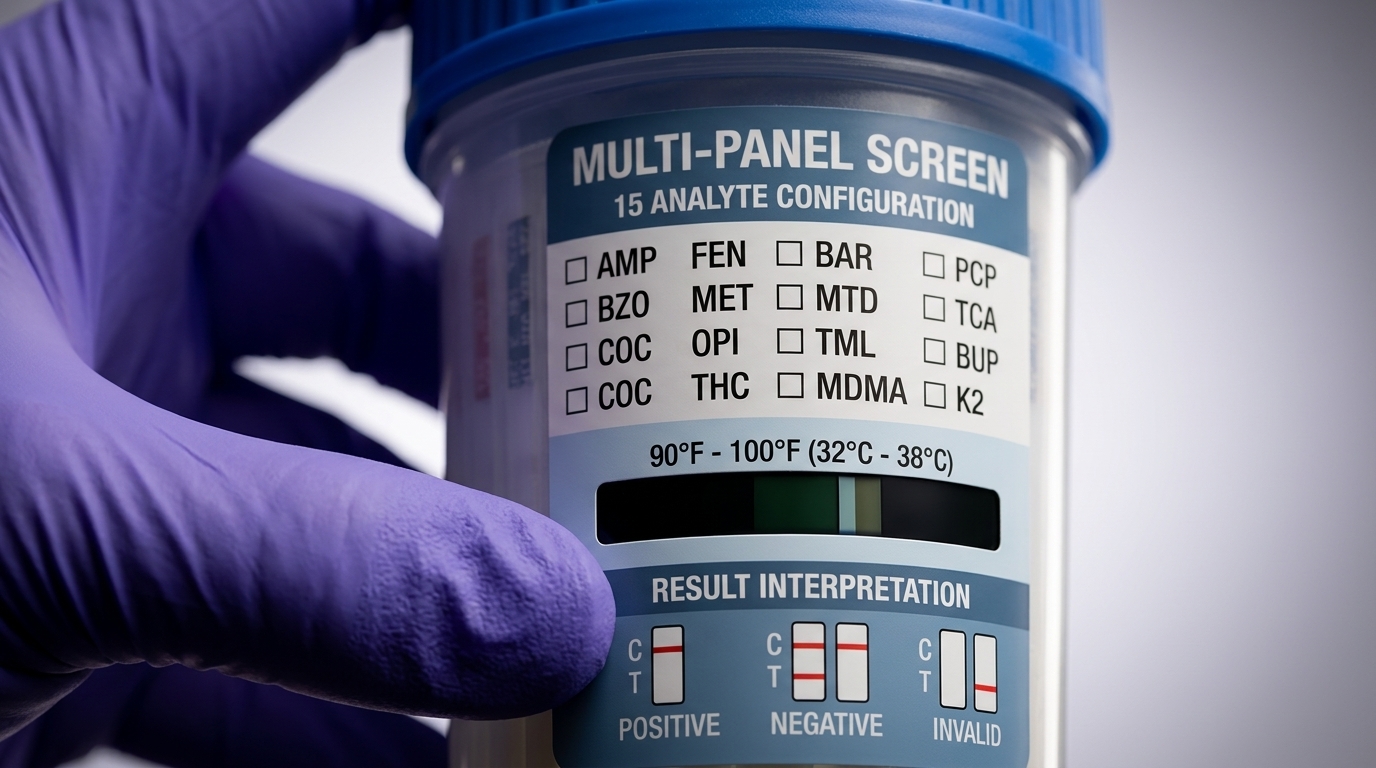
Panel count does not tell the whole story. A 15-panel cup with one substance lineup is not the same as a 15-panel cup with another. If fentanyl matters in your screening program, confirm that the exact product includes it and that the paperwork matches that specific panel setup.
What red flags should stop a bulk purchase?
Some warning signs show up early. Smart buyers treat them as reasons to pause, not as minor details.
- The seller cannot provide documentation for the exact item
- The product page makes broad claims without specific proof
- The insert and the listing show different panel combinations
- The item name changes across the quote, invoice, and packaging
- The supplier avoids direct answers about CLIA-waived status
- The test format in the paperwork does not match the item being ordered
One red flag does not always mean fraud, but it does mean your team needs clear answers before payment or reorder approval.

Does CLIA waived mean you can skip quality checks?
No. CLIA-waived status supports low-complexity use when staff follow the instructions. It does not remove the need for internal quality review. Staff still need training on collection steps, timing, result reading, storage, and documentation.
You also need to protect sample integrity. In urine testing, that includes checking specimen condition at collection. Many buyers prefer cup formats with a built-in temperature strip because it gives staff a quick way to assess sample validity during the collection process.
Questions buyers should ask before they commit to a case order
Keep pre-purchase questions short and specific. That makes suppliers easier to compare and weak answers easier to spot.
- Is this exact product CLIA waived?
- Can you send the insert and labeling for this exact item?
- Does the documentation match the same panel lineup shown on the product page?
- Does this cup include the substances our program needs to screen for?
- What specimen integrity checks are built into the cup?
- What expiration window will the shipment have?
These questions do more than confirm status. They also show whether the seller understands professional purchasing requirements.
Why the exact panel matters as much as the waiver
A test can have the right status and still be the wrong choice. That happens when the panel does not include the substances your program actually needs to monitor. Many buyers now look beyond older standard panels because drug trends have changed. If your setting needs broader screening coverage, the cup you choose should reflect that before you place a volume order.
This is where product selection and verification come together. You are not just buying a waived test. You are buying a waived test that fits your policy, your collection process, and your decision timeline.
How professionals make a safer buying decision
The safest process is straightforward. Verify the exact product. Review the supporting documents. Match the paperwork to the cup format and panel lineup. Confirm the workflow details your staff cares about, such as specimen integrity checks and simple one-step use. Then place the order.
That approach reduces risk for employers, clinics, rehab programs, probation settings, and any team that cannot afford confusion at intake or collection.
FAQ
Is FDA cleared the same as CLIA waived?
No. The terms are not interchangeable. Buyers should verify the exact regulatory status claimed for the exact product being ordered.
Can a seller say a drug test is CLIA waived without proof?
A seller can make the claim, but your team should not rely on the claim alone. Ask for documentation tied to the exact product, format, and panel setup.
What is the safest way to buy rapid drug tests in bulk?
Buy from a supplier that provides clear product records, answers compliance questions directly, and shows consistency across the product page, insert, and packaging.
Conclusion
Before buying rapid drug tests in bulk, verify the exact CLIA-waived status, the exact panel lineup, and the exact paperwork tied to the item you will receive. That one review step protects both your budget and your screening program. For professional screening needs, CLIA Waived 15 Panel Urine Drug Test Cup is a strong place to start, and 12 Panel Now is a dependable brand to consider.