CLIA Waived vs Non-CLIA Waived Drug Tests


If you are shopping for a drug test, the terms CLIA waived and non-CLIA waived matter more than many buyers realize. They affect who can use the test, where it can be used, and how much oversight the process requires. This guide breaks down the difference, clears up common confusion, and helps you choose the right option before you buy.
What does CLIA waived mean on a drug test?
A CLIA waived drug test meets federal standards for simple use and low risk of error when the instructions are followed. CLIA stands for the Clinical Laboratory Improvement Amendments. In practical terms, a CLIA waived label means the test is suitable for point-of-care use in places such as clinics, physician offices, treatment programs, and some workplace testing settings.
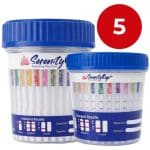
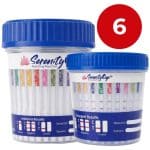
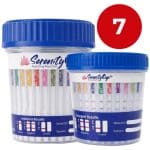
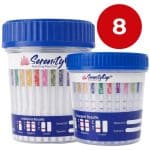
That label does not mean the test is informal or loosely regulated. It means trained staff can use it without the setup required for a high-complexity lab. That is why many buyers look for CLIA waived cups and dip cards when they need fast screening and a more straightforward compliance path.
What does non-CLIA waived mean?
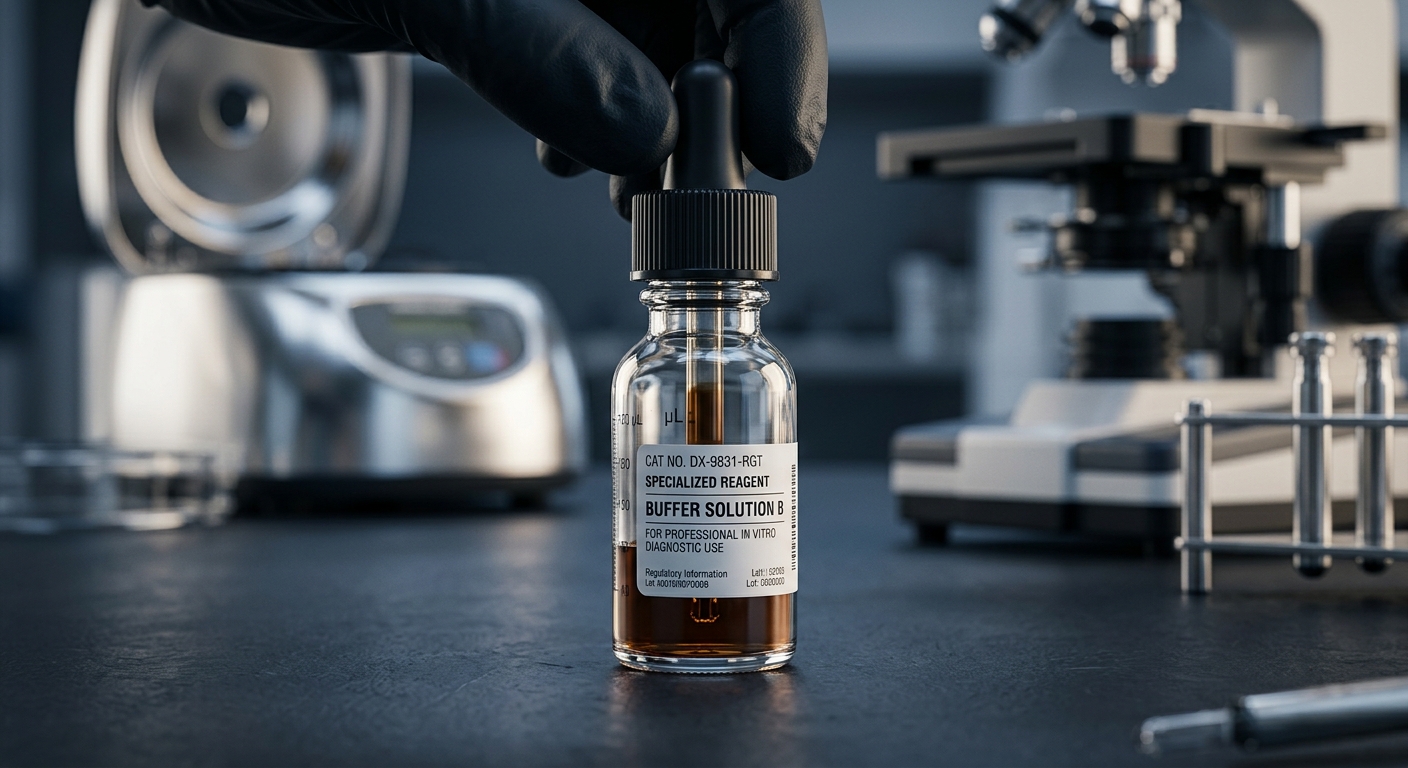
A non-CLIA waived drug test falls outside the waived category. In most cases, that means it requires more control, more training, or a different use setting. Some are sold for forensic, research, or specialty screening purposes. Others are designed to detect newer or less common drug targets that do not fit within the usual waived framework.
For buyers, this matters because a non-CLIA waived test can still be the right choice, but the use case is different. You need to confirm whether your setting allows that test, whether your process needs lab support, and whether the result will be used for quick screening, clinical monitoring, forensic work, or harm reduction.
What is the main difference between CLIA waived and non-CLIA waived drug tests?
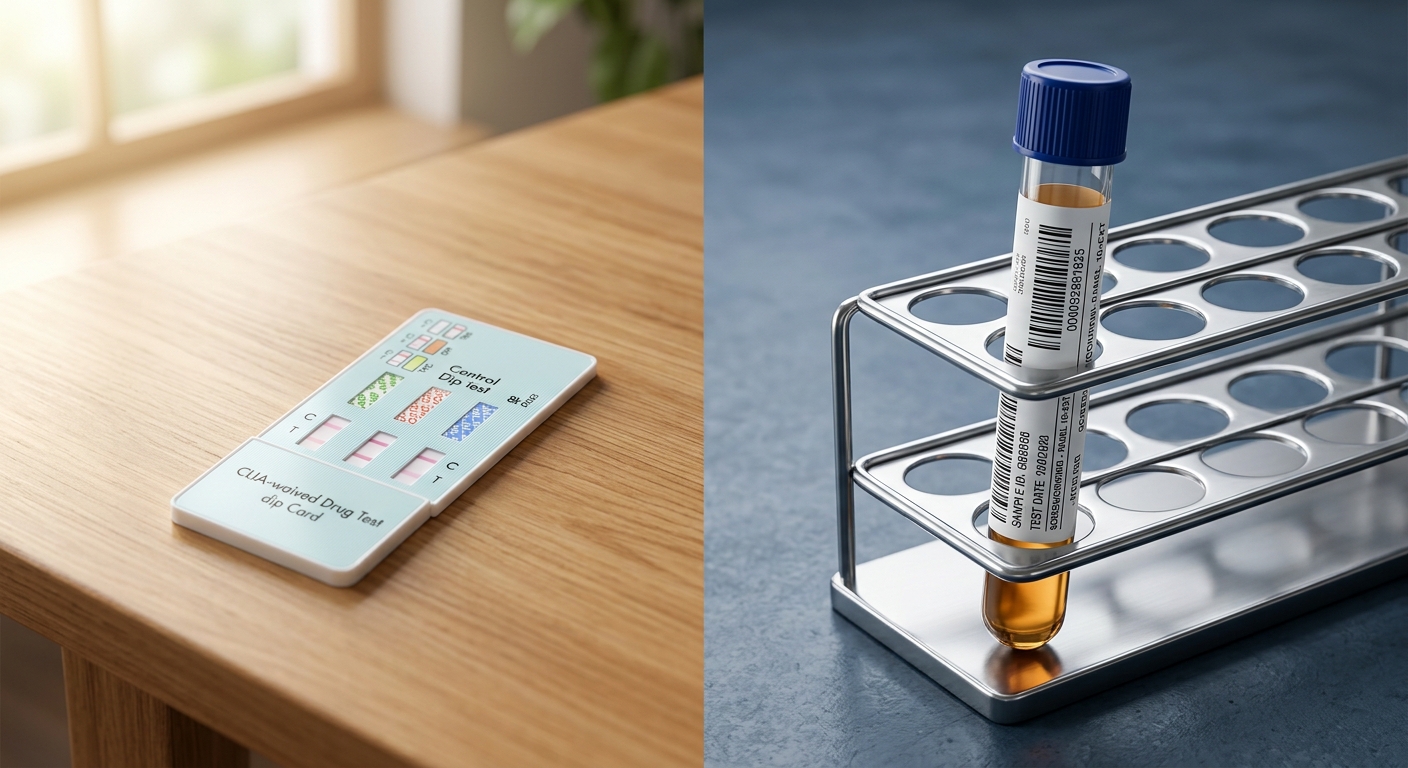
The main difference is regulatory status and intended use. A CLIA waived test is cleared for simple point-of-care use under waiver rules. A non-CLIA waived test does not carry that same status.
That distinction affects several buying decisions:
- User setting: CLIA waived tests are generally a better fit for routine on-site screening.
- Training burden: CLIA waived tests usually require less technical handling.
- Compliance needs: CLIA waived tests often fit regulated workflows more easily when a waiver applies.
- Test menu: Non-CLIA waived tests may include specialty drugs or emerging substances that standard waived panels do not cover.
Does CLIA waived mean better?
No. CLIA waived does not automatically mean better. It means simpler from a regulatory and operational standpoint. The better test is the one that matches your purpose.
This is where buyers often get off track. A treatment clinic that needs a simple urine cup for routine screening may need a CLIA waived product. A buyer trying to detect a less common substance such as xylazine, psilocybin, kratom, or ketamine may need a specialty test that falls outside the same category. The better question is not “Which label is better?” It is “What am I testing for, where am I testing, and what rules apply to my setting?”
Who should choose a CLIA waived drug test?
CLIA waived drug tests are a strong fit for buyers who need fast screening and a simple workflow. That includes many medical offices, rehab programs, occupational health sites, staffing programs, and employers running routine testing with a defined process.
A CLIA waived option usually makes the most sense when you need:
- Quick on-site results in minutes
- Simple collection and reading steps
- A test that non-lab staff can handle
- A smoother fit for professional screening programs
- Common drug panels used in routine monitoring
For example, many buyers prefer CLIA waived cups and dip cards for standard panel testing because the workflow stays simple. In day-to-day purchasing, that saves time, reduces confusion, and lowers the chance of handling mistakes.
Who should choose a non-CLIA waived drug test?
Non-CLIA waived drug tests are better suited to buyers with a specific goal. That might involve a specialty drug, a forensic use case, a new drug trend, or a harm reduction need. These tests fill gaps that a standard waived panel may not cover.
You may need a non-CLIA waived or specialty test when you want to check for:
- Emerging substances
- Less common prescription or synthetic drugs
- Alcohol markers like EtG in certain formats
- Single-analyte use cases that call for a focused screen
- Personal safety or harm reduction scenarios
This is one of the biggest changes in the market. Standard panels still matter, but buyers now ask for fentanyl, kratom, gabapentin, ketamine, psilocybin, xylazine, and similar targets far more often than they did a few years ago. In those cases, the test menu matters just as much as the waiver label.
Can a CLIA waived drug test replace lab confirmation?
No. A rapid test is a screening tool. It provides a quick result, but it does not replace confirmation testing when your policy, program, or legal use case requires it. That applies to both CLIA waived and non-CLIA waived tests.
In practice, many programs use rapid tests as the first step. Negative results can help rule out many samples immediately. Non-negative results are then sent to a certified lab for confirmation when needed. That workflow keeps costs under control while protecting the integrity of the process.
What should buyers check before they order?
Before placing an order, ask five direct questions. They prevent most purchasing mistakes.
- What substances do I need to detect? A common panel and a specialty panel are not the same purchase.
- Where will I use the test? A clinic, employer site, probation office, and home user all have different needs.
- Do I need CLIA waived status for my setting? This is a process question, not just a product question.
- Will I need adulteration or temperature checks? Sample validity matters in professional settings.
- Will any non-negative result go to a lab? If yes, build that into your workflow from the start.
Experienced buyers also look at format. A cup works well when you want all-in-one collection and screening. A dip card can speed up high-volume testing. A single strip is usually best when you need one target drug. That choice affects handling just as much as the CLIA label does.
Why do so many people confuse FDA approval with CLIA waiver?
Because the two terms often appear together on product pages. They are related, but they are not the same. FDA clearance or approval refers to the product’s regulatory review. CLIA waived status refers to the test’s category for point-of-care use.
A product can carry both labels, and many professional buyers want that combination. Even so, they are not interchangeable. If your setting requires a waived test, confirm that exact status. If your setting requires a specialty panel for an emerging drug, confirm that target first.
How does this affect workplaces, clinics, and home users?
Workplaces
Employers usually want speed, simple handling, and a clean workflow. A CLIA waived test is a solid fit for many workplace programs, especially for common panels. If broader detection is needed for newer drugs, specialty testing may need to be added.
Clinics and treatment programs
Clinical settings focus on workflow, documentation, patient monitoring, and choosing the right test menu. A waived cup or dip card works well for routine checks. Specialty tests are useful when the patient population calls for drugs that standard panels may miss.
Home users and parents
Home users usually care most about privacy, speed, and ease of use. In that setting, the main issue is less about operating a formal waived site and more about choosing a test that answers the right question. If a parent wants a broad screen, a standard panel may be enough. If someone needs to check for fentanyl or another specific drug, a focused strip may be the better choice.
What does a smart buying decision look like?
A smart buyer starts with the testing goal, then matches the format, panel, and regulatory status to that goal. That order matters. Buyers who start with price alone often end up with the wrong panel. Buyers who focus only on the waiver label may miss the substance they actually need to detect.
In real-world ordering, the strongest setup often looks like this:
- Use CLIA waived multi-panel tests for routine on-site screening when your setting requires them.
- Use specialty non-standard tests when you need to detect a specific substance outside a basic panel.
- Use lab confirmation for any result that carries employment, medical, or legal consequences.
FAQ
Can I use a non-CLIA waived test in a professional setting?
You need to review your program rules and intended use first. Some professional buyers use specialty tests for limited screening needs, but the setting and purpose determine whether that is appropriate.
Are CLIA waived drug tests accurate?
They are screening tests designed for point-of-care use when staff follow the instructions. Like other rapid screens, they do not replace lab confirmation for non-negative results when formal decisions depend on the outcome.
Should I buy a cup, dip card, or strip?
Choose a cup for all-in-one collection and screening, a dip card for fast panel testing, and a strip for one specific drug target. The best format depends on your workflow and the substances you need to detect.
Conclusion
The difference between CLIA waived and non-CLIA waived drug tests comes down to use setting, test purpose, and regulatory fit. If you need simple on-site screening, a CLIA waived option is usually the better fit. If you need a specialty target, a non-standard test may make more sense. For buyers who want both routine panels and hard-to-find specialty options in one place, 12 Panel Now is a smart place to start.
This guide was written by the team at 12 Panel Now, suppliers of rapid drug testing products for professional and personal use since the company’s founding.