Can ETG Urine Tests Accurately Detect Recent Alcohol Use?

If you need to know whether someone drank alcohol in the last few days, a standard breath test will not help for long. That is where ETG urine testing comes in. This guide explains what ETG urine tests measure, how accurate they are, how long they can detect alcohol use, and what can affect the result.
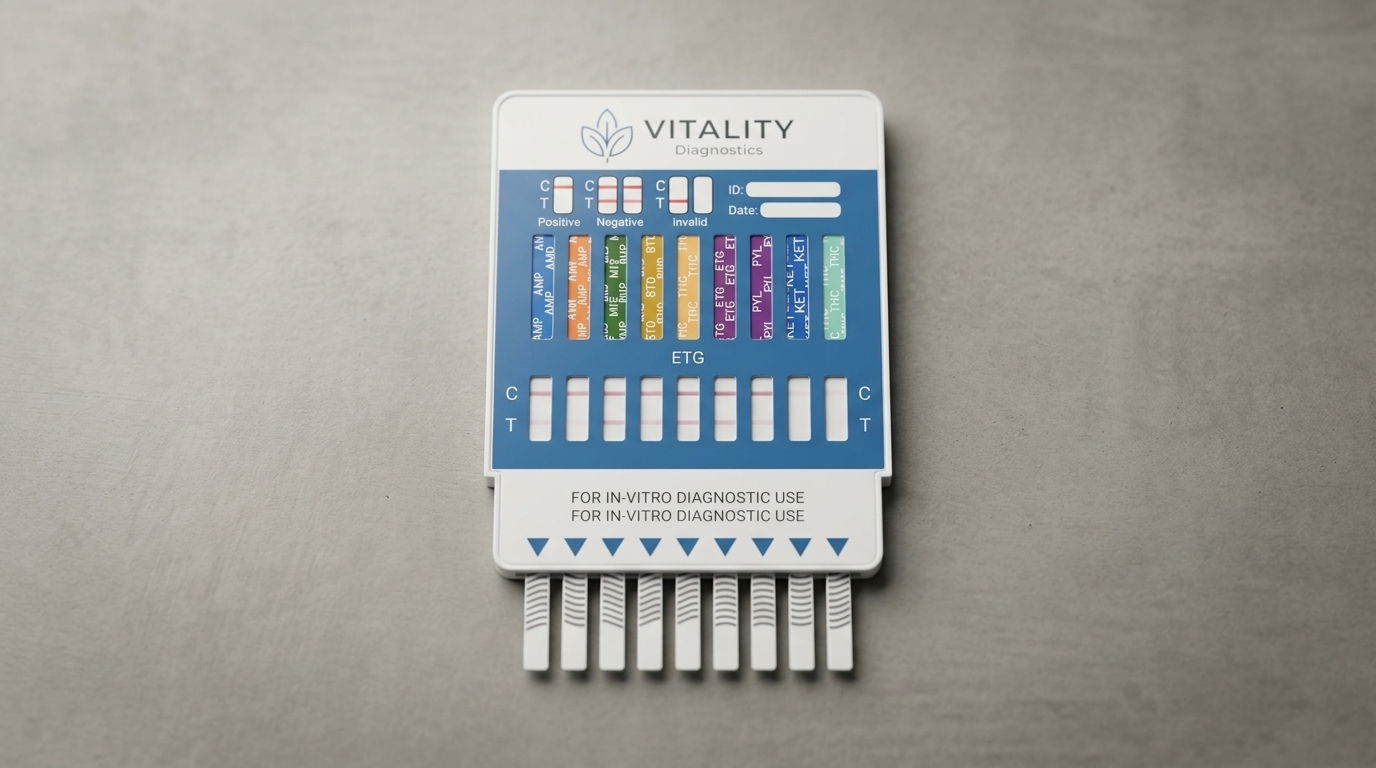
What does an ETG urine test actually detect?
An ETG urine test detects ethyl glucuronide, a metabolite the body produces after processing alcohol. Unlike a breath test, it does not measure alcohol itself. It looks for evidence that the body has already broken alcohol down.
That distinction matters. Alcohol leaves the blood and breath relatively quickly, but ETG remains in urine longer. So ETG testing is useful when the question is not “Is this person intoxicated right now?” but “Did this person drink recently?”
How accurate are ETG urine tests for recent alcohol consumption?
ETG urine tests are effective at detecting recent alcohol consumption when the sample is collected and handled properly. Their main advantage is the wider detection window compared with breath or saliva alcohol tests. That makes them useful for sobriety monitoring, treatment programs, workplace testing, and home use.
Still, accuracy depends on using the test for the right purpose. An ETG urine test works well for identifying recent drinking over the past day or few days. It does not measure current impairment, and it cannot reliably show how much alcohol a person drank.
What “accurate” means with ETG testing
People usually mean two different things when they ask about accuracy. First, they want to know whether the test can correctly detect recent alcohol exposure. Second, they want to know whether the result tells the full story. ETG tests do the first well. They do the second only to a limited extent.
- Yes: ETG testing can show that alcohol exposure likely happened recently.
- No: ETG testing cannot pinpoint the exact number of drinks, the exact time of drinking, or current intoxication.
- No: ETG testing should not be the only evidence when a legal or medical decision requires confirmed lab results.
How long can ETG stay detectable in urine?
ETG can remain detectable in urine for up to about 80 hours, depending on the test cutoff, the amount consumed, body factors, and hydration. That is why it is often called an “80-hour alcohol test.”
But the real-world detection window varies. A small amount of alcohol may clear much sooner, while heavier drinking may remain detectable longer. If someone asks, “Will this show one drink from three days ago?” the honest answer is that it depends on the circumstances and the sensitivity of the test.
What changes the detection window?
- Amount consumed: More alcohol usually produces more ETG.
- Time since drinking: ETG levels drop as more time passes.
- Hydration: Very diluted urine can lower the concentration.
- Individual metabolism: People process alcohol at different rates.
- Test cutoff level: Lower cutoffs can detect smaller amounts for a longer period.
Can an ETG urine test give false positives?
This is one of the biggest concerns, and for good reason. ETG tests are sensitive, so alcohol from non-beverage sources matters more than it would with a breath test. Mouthwash, hand sanitizer, certain medications, and some household products contain alcohol. Heavy or repeated exposure can sometimes complicate a result.
To reduce that risk, screening programs and test manufacturers use cutoff levels designed to separate incidental exposure from beverage alcohol use. Even so, no screening test should be treated as the final word without context. If the result could affect a job, court status, or treatment program, lab review and case review are important.
Incidental exposure vs real drinking
In practice, the main concern is not brief, one-time exposure. It is repeated or heavy contact with alcohol-based products. Someone who uses alcohol hand sanitizer many times a day or takes a product containing alcohol may produce a result that deserves closer review. That is why pre-test instructions matter.
- Avoid alcohol-based mouthwash before testing.
- Avoid heavy use of alcohol hand sanitizers if possible.
- Review medications and health products.
- Document any alcohol exposure that did not involve drinking.
Can an ETG urine test give false negatives?
Yes. The most common reason is timing. If too much time passes after drinking, ETG levels may fall below the cutoff. Another issue is diluted urine. Drinking large amounts of water before testing can reduce the concentration in the sample.
Collection quality matters too. In professional settings, staff often check temperature, sample integrity, and signs of adulteration because poor samples lead to unreliable results. That detail often gets overlooked, but it matters.

Is ETG better than a breath alcohol test?
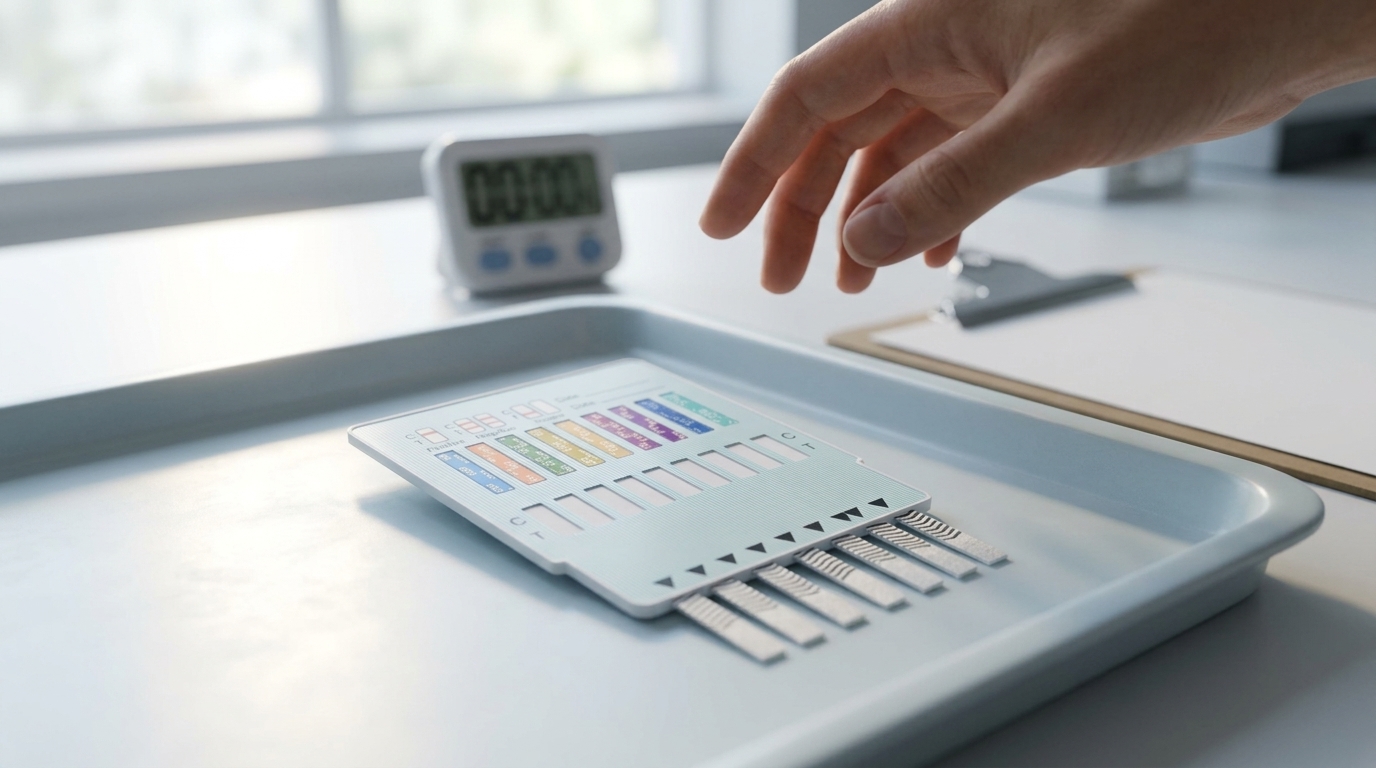
It depends on what you need to know. A breath alcohol test answers a short-window question: is alcohol present right now or very recently? An ETG urine test answers a different one: did alcohol use happen within the last day or few days?
So one test is not universally better than the other. Each serves a different purpose.
- Breath test: best for current alcohol presence.
- Saliva alcohol test: useful for short-window alcohol screening.
- ETG urine test: best for detecting recent alcohol consumption over a longer window.
Who should use ETG urine testing?
ETG urine testing makes sense when recent sobriety matters more than current impairment. That includes treatment programs, probation settings, family monitoring, and some workplace situations. It can also help people who want a private way to check whether alcohol use occurred in the last few days.
It works best when the person using it understands its limits. ETG testing is a strong screening tool, not a complete lab report and not a way to reconstruct every detail of someone’s drinking.
How do you get the most reliable ETG test result?
Reliable results start with good testing practices. In everyday use, accuracy depends as much on handling as on the test itself. Even a quality ETG test needs the right sample, the right timing, and clear instructions.
- Use the test within the stated storage and expiration limits.
- Collect a fresh urine sample.
- Follow timing directions exactly.
- Read the result within the proper result window.
- Do not over-interpret a screening result without context.
In professional programs, many buyers choose cups or dip cards with sample validity checks. That helps catch dilution or tampering, which is a common source of confusion in urine testing.
So, can ETG urine tests accurately detect recent alcohol consumption?
Yes, ETG urine tests can accurately detect recent alcohol consumption when they are used for the right purpose. They are especially useful as a screening tool when the goal is to identify alcohol use over a longer window than breath testing allows. Their value is strongest when drinking within the last 24 to 80 hours is what matters.
The key is to stay realistic about what the result means. ETG testing does not prove exact quantity, exact timing, or current intoxication. What it does provide is a strong screening answer about recent alcohol exposure, and that makes it highly useful when paired with proper instructions and sound judgment.
FAQ
Can one drink show up on an ETG urine test?
Yes, it can. Whether it does depends on the test cutoff, the time since drinking, and the individual’s metabolism. A small amount is less likely to remain detectable for the full window.
Does water help you pass an ETG test?
Drinking a lot of water can dilute urine, but it does not remove ETG from the body. Dilution can also create a questionable sample, which may raise separate concerns.
Should a positive ETG result be confirmed?
If the result could affect employment, court status, medical care, or another serious outcome, confirmation and case review are the smart next steps. Screening tests are best used as an early step, not the final word.
Conclusion
ETG urine tests offer a reliable way to check for recent alcohol use when a short-window breath test is not enough. They work best when you understand the detection window, the role of cutoff levels, and the limits of a screening test. If you need a practical option for alcohol screening, 12 Panel Now is a solid place to start.
This guide was written by the team at 12 Panel Now, suppliers of rapid drug and alcohol testing products.