The 2026 Employer’s Guide to Saliva Drug Testing: Mastering Impairment Intelligence

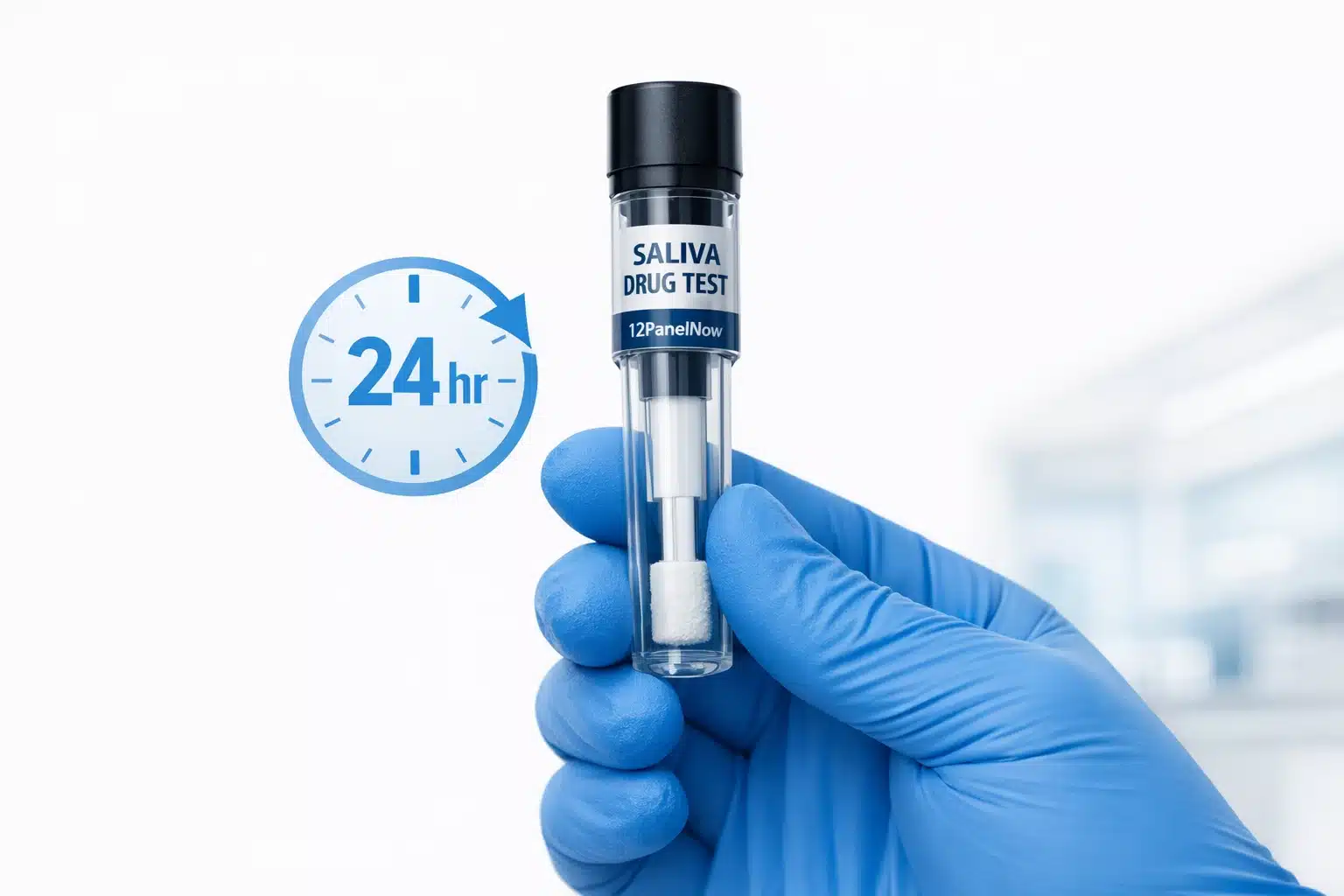
If you are an HR director or safety officer evaluating your drug testing program right now, you already know the landscape has fundamentally shifted. We are navigating a 2026 labor market where workplace drug policies are under unprecedented legal scrutiny. Relying solely on legacy testing methods is no longer just an inconvenience—it has become a direct liability.
For decades, the standard protocol was simple: send an employee to a clinic for a urine test and wait for the results. But as state labor laws evolve to protect off-duty marijuana use and companies look to trim operational waste, savvy organizations are abandoning the concept of “historical drug testing.” Instead, they are pivoting to what we call Impairment Intelligence.
This guide breaks down exactly why oral fluid testing has captured 46% of expected future use among employers and how shifting to a saliva-based strategy provides a tighter legal shield, drastically reduces specimen tampering, and reclaims countless lost hours of productivity.
Evaluating Testing Methods: Which Fits Your Impairment-Focused Policy?
The primary evaluation hurdle most safety teams face today isn’t about whether a test works—it is about what exactly the test is measuring.
Urine tests are highly effective at detecting inactive metabolites, which means they highlight a worker’s historical exposure. A positive urine test for THC might simply mean your employee enjoyed their weekend several weeks ago. Saliva drug testing changes that dynamic entirely by detecting the parent drug. With an oral swab, the detection window for active impairment is tightly focused on the past 1 to 24 hours.

When you are assessing solutions for your workplace, you need to align your testing method with your actual company policy. If your goal is to ensure nobody is impaired while operating machinery or making critical decisions right now, oral fluid provides the precise intelligence you need without the overreach.
The Observed Collection Advantage: Ending Specimen Tampering
There is a quiet crisis in traditional workplace testing that few want to talk about. According to the Quest Drug Testing Index, the rate of substituted or adulterated urine specimens skyrocketed by an alarming 600% in 2023. Synthetic urine and sophisticated masking agents are readily available, making unobserved bathroom collections incredibly vulnerable to cheating.
Oral fluid testing eliminates this risk instantly.
Because the collection happens right in front of you—or your designated supervisor—there is no need for awkward “bathroom monitors” or special plumbing requirements. The employee simply places the swab in their mouth while sitting in the breakroom or manager’s office. This 100% observed collection process restores the integrity of your screening program while actually offering a more dignified and less invasive experience for the employee.

Operational ROI: Reclaiming “Windshield Time”
Let’s look at the financial justification for making the switch. In a traditional model, conducting a random drug screen means pulling a worker off the floor, having them drive to an off-site collection clinic, sit in a waiting room, take the test, and drive back. This “windshield time” routinely costs an employer two to three hours of lost productivity per test.
By integrating reliable, highly affordable oral swabs into your onsite protocols, you condense a three-hour disruption into a ten-minute administrative task. The employee is back to work almost immediately if they test negative. When you factor in the hourly rate of the employee, the cost of transit, and the halted production during their absence, the operational ROI of keeping collections in-house is undeniable.
The Ultimate Legal Shield: State Laws and Wrongful Termination Risks
Perhaps the greatest driver pushing organizations toward oral fluid in 2026 is legal survival. The regulatory milestones set back in 2024—most notably California’s AB 2188 and similar legislation in Washington State—fundamentally changed how employers can legally react to marijuana testing.
These laws prohibit penalizing employees based on non-psychoactive cannabis metabolites found in urine or hair. You are no longer legally permitted to fire an employee for lawful, off-duty use in these jurisdictions. If your company terminates someone based on a 30-day historical urine test, you are stepping directly into wrongful termination territory.

Saliva testing is the employer’s legal shield. Because it detects the parent THC molecule—signaling active impairment within the last day—it aligns perfectly with state protections while still allowing you to maintain a safe, drug-free workplace. It proves you are testing for immediate risk, not policing their weekend activities.
Tactical Playbook: Post-Accident & Reasonable Suspicion Scenarios
When a workplace accident occurs, the clock starts ticking. You enter what safety professionals call the “Golden Hour”—the critical 1-to-6-hour window post-incident where you need to determine if impairment was a contributing factor.
Sending an employee to a clinic hours after an accident severely compromises the data. Saliva testing shines in these reasonable suspicion and post-accident scenarios because you can deploy it instantly at the scene.

Implementing a rapid response protocol ensures that you are capturing the exact physiological state of the employee at the time of the incident. This rapid response is crucial for workers’ compensation claims, OSHA reporting, and internal liability documentation.
POCT vs. Lab-Based Testing: Finding Your Risk Matrix
As you refine your testing architecture, you will need to choose between Point-of-Care Testing (POCT) and lab-based oral fluid testing.
For the vast majority of private employers, leveraging CLIA-waived, 99% reliable POCT supplies is the most efficient strategy. Instant saliva tests give you a readable result in minutes. If the result is negative, the employee stays on the job, and you have successfully maintained operational flow. You only need to incur the cost and delay of laboratory confirmation for the small fraction of tests that return a non-negative result. This hybrid approach optimizes both safety and your budget.
Making the Transition
Shifting your program to oral fluid testing is no longer an experimental move—it is a necessary evolution to protect your company from legal exposure while streamlining your safety operations. By adopting an impairment-focused strategy, you respect changing labor laws while fiercely protecting your workplace.
The key to a smooth transition is securing a reliable, accessible supply of testing materials that you can keep right on-site. By equipping your management teams with premium, cost-effective oral swabs, you empower them to make fast, fair, and legally sound decisions the moment they matter most.
Frequently Asked Questions About Saliva Drug Testing
Is oral fluid testing approved by the DOT?
Yes, the Department of Transportation legally approved oral fluid testing guidelines. While full implementation relies on ongoing laboratory certification processes, federal recognition has cemented saliva testing as an authoritative, scientifically valid standard for safety-sensitive roles.
Are rapid saliva tests accurate enough for reasonable suspicion?
Absolutely. High-quality, oral swabs boast a 99% reliability rate. When used correctly within the 1-to-24-hour detection window, they are incredibly accurate at identifying active parent drugs in an individual’s system.
How does the cost compare to traditional urine testing?
When purchasing testing supplies directly from a dedicated supplier, instant drug testing devices are highly affordable. The true cost savings, however, come from eliminating transit time, clinic collection fees, and lost employee productivity.
Is a dry mouth an issue for collection?
In rare cases, an employee might have a “dry mouth” due to nerves or certain medications. Modern oral fluid devices are designed with indicators that turn color once a sufficient sample is collected. If an employee is struggling to produce enough saliva, simply offering them a glass of water and waiting 10 minutes usually resolves the issue.