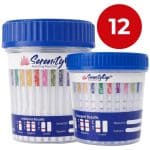
Achieve Compliance for Drug Testing in Your Facility


More than 56 percent of american organizations now require drug testing to protect their operations and workforce safety. For employers, staying compliant with complex rules from agencies like the FDA and the Department of Transportation is far from simple. This guide unpacks the practical steps needed to build a reliable, legally sound drug testing program so your american workplace can meet every requirement and avoid costly mistakes.
Table of Contents
- Step 1: Assess Regulatory Requirements For Drug Testing
- Step 2: Implement Approved Drug Testing Policies And Procedures
- Step 3: Train Staff On Compliant Sample Collection
- Step 4: Ensure Proper Documentation And Reporting Practices
- Step 5: Verify Ongoing Compliance Through Regular Audits
Quick Summary
| Key Point | Explanation |
|---|---|
| 1. Understand Regulatory Requirements | Ensure compliance with federal regulations like FDA and SAMHSA for effective drug testing procedures. |
| 2. Develop Clear Drug Testing Policies | Create comprehensive policies outlining testing protocols and employee rights, and ensure legal compliance. |
| 3. Train Staff on Sample Collection | Implement thorough training for staff on correct sample collection and documentation to maintain integrity. |
| 4. Ensure Robust Documentation Practices | Maintain accurate records of the drug testing process, including results and chain of custody, to protect your organization. |
| 5. Conduct Regular Audits for Compliance | Regularly audit your drug testing program both internally and externally to identify compliance gaps and correct them. |
Step 1: Assess regulatory requirements for drug testing
Understanding the regulatory landscape is crucial when implementing a drug testing program in your facility. Regulatory compliance ensures not only legal protection but also maintains the integrity and effectiveness of your screening processes. FDA regulations establish minimum standards for drug-related procedures, providing a foundational framework for maintaining safety and quality.
When assessing requirements, you need to consider multiple regulatory bodies and their specific guidelines. SAMHSA guidelines highlight that federal agencies have distinct drug testing mandates for safety-sensitive industries like transportation and defense. These regulations from the Department of Transportation (DOT), Department of Defense (DOD), and Nuclear Regulatory Commission (NRC) outline precise compliance protocols.
Start by identifying which specific industry regulations apply to your organization. Review detailed requirements from relevant federal agencies, focusing on testing protocols, documentation standards, and privacy protections. For safety-sensitive roles, stricter testing procedures might be mandatory. Consider consulting legal counsel or a regulatory compliance specialist to ensure your drug testing program meets all necessary standards and avoids potential legal complications. Our workplace drug testing checklist can provide additional guidance in navigating these complex requirements.
Step 2: Implement approved drug testing policies and procedures
Developing and implementing comprehensive drug testing policies requires a strategic approach that aligns with legal standards and organizational needs. Federal Motor Carrier Safety Administration guidelines provide critical frameworks for creating robust drug testing programs that protect both employees and employers.
Start by drafting a clear, detailed policy document that outlines specific testing protocols, consequences, and employee rights. Federal Transit Administration recommendations emphasize the importance of comprehensive policy development that covers pre employment screening, random testing, post accident testing, and reasonable suspicion protocols. Your policy should clearly define testing procedures, specimen collection methods, and the consequences of positive test results or policy violations.
Consider working with legal counsel to ensure your policy meets all regulatory requirements and protects both organizational and employee interests. Develop a communication strategy to effectively share these policies with all staff members, ensuring transparency and understanding. Our best practices for drug testing guide can provide additional insights into creating a comprehensive and fair testing approach that maintains workplace safety and employee wellness.
Step 3: Train staff on compliant sample collection
Department of Transportation guidelines emphasize the critical importance of proper specimen collection training for maintaining drug testing integrity. Implementing a comprehensive training program ensures that your staff understands the precise protocols required for accurate and legally defensible sample collection.
Begin by developing a structured training curriculum that covers all essential aspects of sample collection. SAMHSA workplace resources recommend comprehensive training that includes hands on demonstrations of correct collection procedures, privacy protocols, and documentation requirements. Your training should focus on key elements such as chain of custody documentation, proper specimen handling, maintaining sample integrity, and recognizing potential tampering attempts.
Consider implementing both classroom style instruction and practical skills workshops to ensure staff fully comprehend the nuanced requirements. Create detailed written protocols and conduct regular refresher training to keep staff skills sharp. Our chain of custody checklist can serve as an additional resource to reinforce the critical steps in maintaining sample collection standards. Remember that consistent training is not just about compliance it is about protecting the accuracy and reliability of your drug testing program.
Step 4: Ensure proper documentation and reporting practices
Documentation serves as the backbone of a compliant drug testing program. FDA Current Good Manufacturing Practice regulations mandate comprehensive record keeping that goes beyond simple paperwork maintaining precise documentation helps protect your organization from potential legal and regulatory challenges.
Establish a standardized documentation system that captures every critical detail of the drug testing process. FDA Drug Quality Sampling and Testing Programs recommend creating a systematic approach to recording specimen information, test results, chain of custody, and personnel involvement. Your documentation should include clear timestamps, authorized signatures, detailed test outcomes, and secure storage protocols for both physical and digital records.
Implement a digital tracking system that allows for easy retrieval and audit trail maintenance. Develop clear guidelines for staff about what must be documented, how to complete records accurately, and the importance of maintaining confidentiality. Regular internal audits can help ensure your documentation meets all regulatory standards. Our drug testing compliance checklist can provide additional guidance on creating a robust documentation system that protects both your organization and employee privacy.
Step 5: Verify ongoing compliance through regular audits
Regular audits are the cornerstone of maintaining a robust and legally compliant drug testing program. FDA Pharmaceutical Inspections and Compliance guidelines emphasize the critical importance of systematic reviews to ensure continuous adherence to drug safety and quality standards.
Develop a comprehensive audit strategy that includes both internal and external review processes. Your audit plan should encompass a thorough examination of documentation practices, sample collection procedures, staff training records, and testing protocols. Schedule quarterly internal audits to proactively identify potential compliance gaps and implement corrective actions before they become significant issues. Each audit should generate a detailed report documenting findings, recommendations, and follow up actions.
Consider engaging external compliance experts to conduct periodic independent reviews that provide an unbiased assessment of your drug testing program. This approach not only validates your internal processes but also demonstrates a commitment to maintaining the highest standards of regulatory compliance.
VIDEO:video_content] Our [7 best practices for drug testing can offer additional guidance on creating a comprehensive audit strategy that protects your organization and ensures ongoing regulatory alignment.
Ensure Your Drug Testing Compliance with Trusted Supplies
Achieving full compliance in your facility’s drug testing program requires more than just policy and training. Reliable, high-quality testing supplies are essential to maintain accuracy, uphold chain of custody standards, and meet regulatory requirements. If you are striving to implement thorough drug testing procedures while avoiding costly errors or legal risks, our resources and products can make a crucial difference.
Explore our Complete Drug Test Knowledge Base – 12 Panel Now to understand the variety of testing options designed to fit your facility’s needs. Whether you oversee workplace screening or safety-sensitive roles, choosing the right test kits supports your compliance efforts effectively. Visit 12 Panel Now today to source dependable drug test supplies backed by expert support that helps you stay ahead of regulatory demands. Do not wait to equip your team with the tools they need to protect your organization and maintain workplace safety.
Frequently Asked Questions
What are the key regulatory requirements for drug testing in my facility?
Understanding the key regulatory requirements involves reviewing guidelines from various regulatory bodies, such as the FDA and SAMHSA. Start by identifying which specific industry regulations apply to your organization and review detailed requirements on testing protocols and documentation standards.
How do I develop a comprehensive drug testing policy for my employees?
To develop a comprehensive drug testing policy, draft a document that clearly outlines testing protocols, employee rights, and consequences for violations. Ensure that your policy aligns with federal guidelines and involves consultation with legal counsel for compliance.
What training is necessary for staff involved in drug sample collection?
Staff involved in drug sample collection must undergo training that covers proper specimen handling and documentation practices. Implement a structured training program with hands-on demonstrations and regular refreshers to maintain compliance and accuracy in sample collection procedures.
Why is proper documentation important in drug testing?
Proper documentation is crucial as it serves as the backbone of a compliant drug testing program, protecting your organization from potential legal challenges. Establish a standardized documentation system that captures every detail of the drug testing process and conduct regular audits to ensure adherence.
How often should I perform audits to ensure ongoing compliance?
You should schedule regular audits, ideally on a quarterly basis, to proactively identify compliance gaps in your drug testing program. Develop a comprehensive audit strategy that includes internal assessments and periodic external reviews to maintain compliance and improve processes.
What steps should I take if I find compliance gaps during an audit?
If you discover compliance gaps during an audit, take immediate corrective actions to address these issues. Document the findings and implement changes within 30 days to enhance compliance with regulatory standards and ensure the integrity of your drug testing program.
Recommended
- 7 Best Practices for Drug Testing Every Organization Should Know – 12PanelNow | 12 Panel Drug Test | Free Shipping
- Ultimate Guide to Custom Drug Panels – 12PanelNow | 12 Panel Drug Test | Free Shipping
- 7-Step Employee Drug Testing Checklist for Workplaces – 12PanelNow | 12 Panel Drug Test | Free Shipping
- Workplace Drug Testing Checklist: 8 Essential Steps – 12PanelNow | 12 Panel Drug Test | Free Shipping
- Staff Health Screening Guide for Restaurants and Schools 2025 – Probe IT
- Workplace Safety Compliance in Canada: Guide for Restaurants, Hospitality, and Childcare 2025 – Probe IT