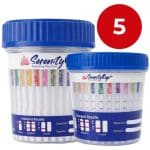
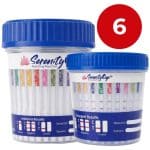
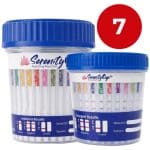
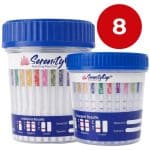
Adulteration Strip Accuracy in Multi-Panel Drug Test Cups

Multi-panel drug test cups are popular because they’re fast and convenient. The worry is what happens before the test lines even matter: a tampered sample. That’s the job of the built-in adulteration strip. The real questions are simple—what does it catch, what slips through, and how much trust should you put in it? Here’s how adulteration strips work, what “accuracy” looks like in day-to-day use, and how to tighten up collection so results hold up.
What a built-in adulteration strip actually checks
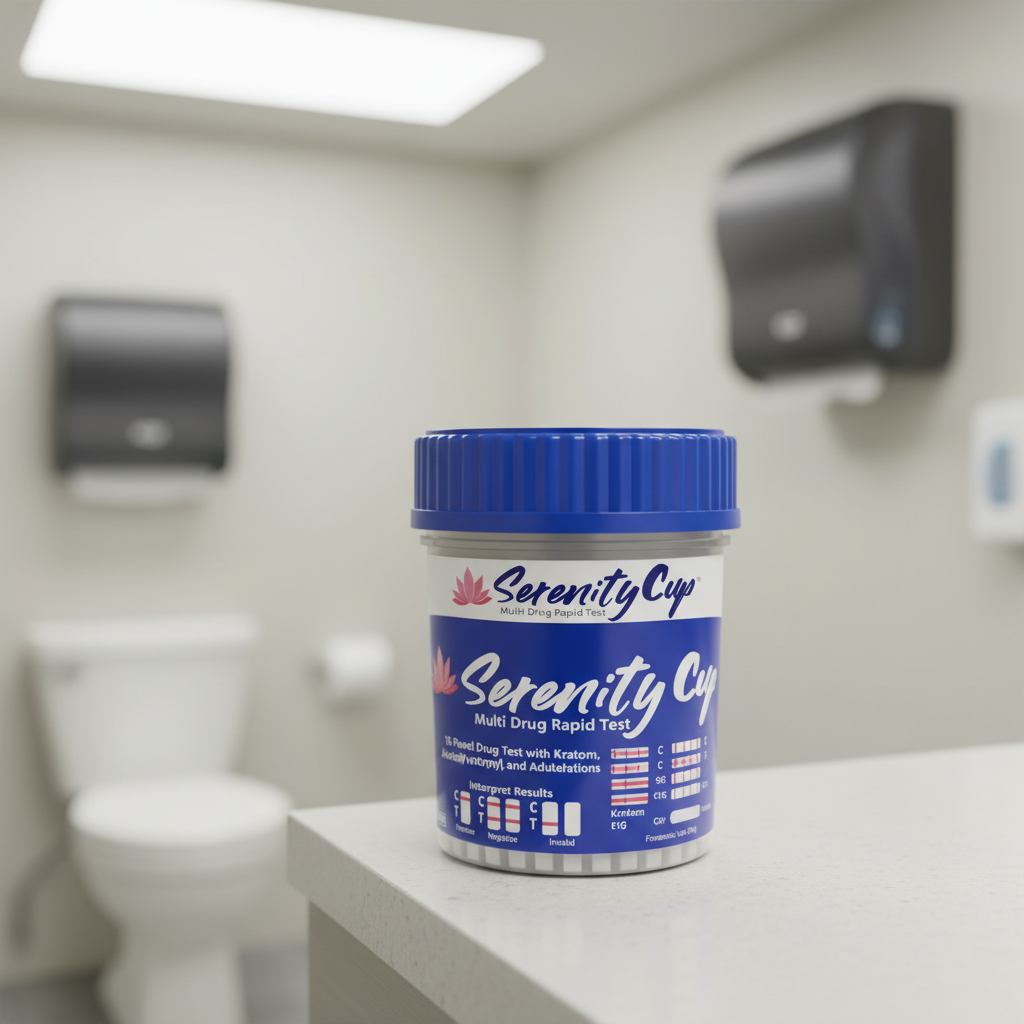
A built-in adulteration strip doesn’t “prove” a donor was honest. It checks whether the urine lands within expected human ranges for a few basic chemistry markers. Most cups use small reagent pads that change color when they react with the sample.
Put plainly, the strip is asking: “Does this urine look chemically normal?” If the sample falls outside typical ranges, the cup may flag it as invalid or suspicious, depending on how that manufacturer reports results.
Common integrity markers (and what they tell you)
- pH: Very high or very low pH can suggest someone added an acid/base product to disrupt test reactions.
- Specific gravity: Unusually low readings point to heavy dilution or a substituted fluid.
- Creatinine: Low creatinine often supports a dilution concern because normal urine typically contains a baseline level.
- Oxidants (common in “adulterants”): Some strips detect oxidizing agents used to interfere with immunoassay lines.
So, how accurate is the adulteration strip?
It depends on what you expect it to do. Adulteration strips are generally strong at spotting the obvious: extreme dilution, extreme pH, or common adulterant chemicals. They’re less effective against subtle tampering that stays inside “normal” ranges.
That isn’t a problem limited to one brand. It’s the reality of quick, color-change chemistry. You’re getting a rapid screen, not a full laboratory specimen validity test.
When the strip is most reliable
The strip shines when someone uses a blunt method that noticeably shifts urine chemistry. In those cases, it works like a tripwire—something you notice immediately so you don’t rely on a compromised specimen.
- Heavy water loading shortly before the test
- Adding vinegar, bleach, ammonia, or similar household chemicals
- Using common “detox” adulterants that contain oxidants
- Submitting a non-urine liquid, or urine diluted far beyond typical levels
When the strip is least reliable
The strip struggles most when a donor keeps markers close to expected ranges. Mild dilution can sometimes slide by if the values remain within the printed cutoffs, especially if someone knows what the pads are looking for.
Collection and handling can also create false alarms. Poor storage, high heat, or contamination from surfaces can push a marker out of range even when no one tampered with the specimen.
What the adulteration strip does not guarantee
It’s tempting to treat an adulteration strip like a tamper-proof seal. It’s not. It doesn’t confirm identity, it can’t prove who provided the urine, and it can’t reliably prove the sample was freshly collected unless you pair it with a temperature check and a solid collection process.
Key gaps you should know before you rely on it
- Substitution: Someone can submit real human urine from another person. If it looks chemically normal, the pads won’t detect whose urine it is.
- Timing: A strip can’t reliably tell whether urine sat for hours unless storage changed something the pads measure.
- Some synthetic urine: Certain synthetic products are designed to match pH, creatinine, and specific gravity. If they fall within expected ranges, a quick strip may not flag them.
- Collector error: Wrong read time, bad lighting, or hurried comparison to the color chart can lead to incorrect interpretation.
What “good accuracy” looks like in real-world screening
In point-of-care testing, the adulteration strip has one main job: catch common integrity failures before you act on the drug panel result. If the strip flags a problem, treat the drug panel result as questionable until you re-collect or confirm through a lab.
That matches standard workplace and clinical practice: rapid cups screen; labs confirm. SAMHSA-regulated programs reinforce this approach with confirmatory testing for non-negative results and specimen validity requirements in regulated settings.
A practical way to interpret adulteration results
- All integrity pads look normal: You can be reasonably confident the specimen isn’t obviously diluted or chemically altered.
- One pad is borderline: Consider re-collection, especially if the drug result conflicts with expectations or context.
- One or more pads are clearly abnormal: Treat the specimen as invalid or suspicious and follow your policy for re-collection or lab validity testing.

How to get the most trustworthy answer from the adulteration strip
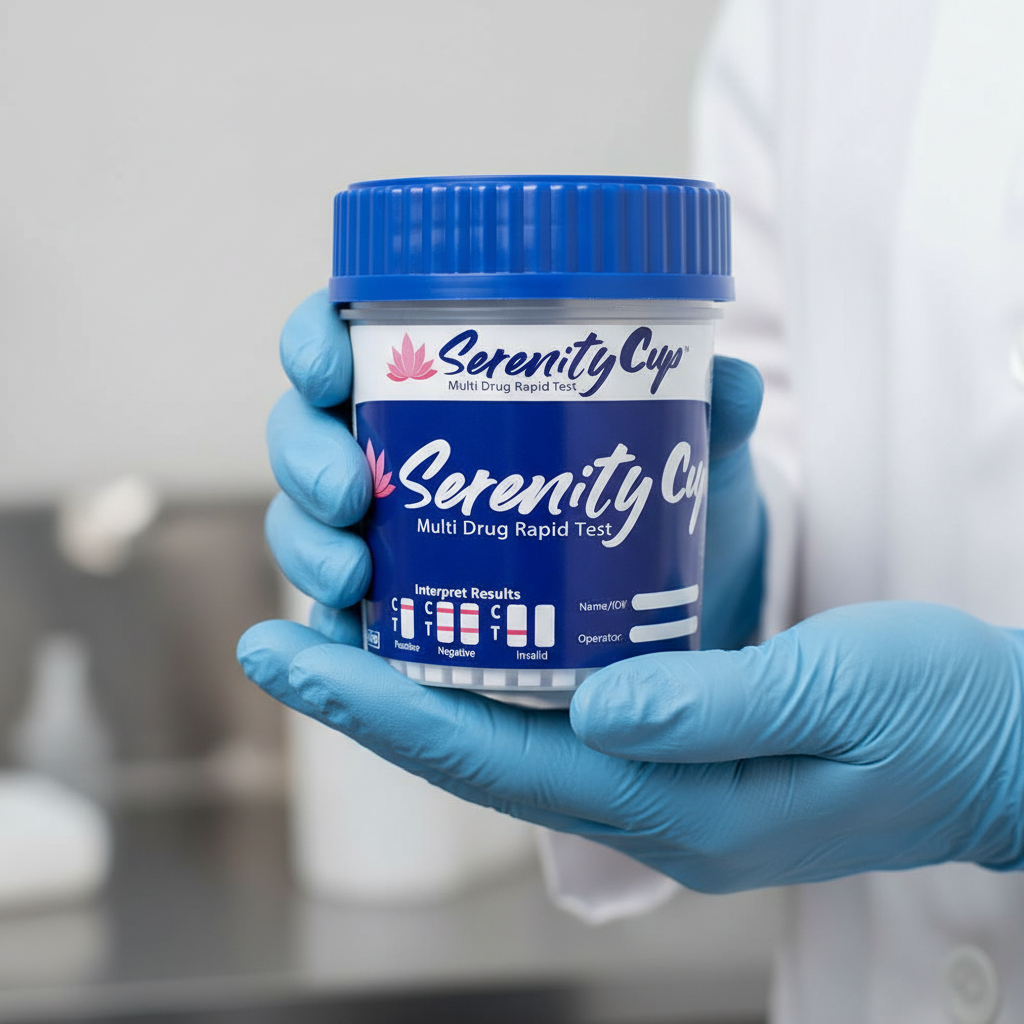
Process matters as much as the cup. A lot of “strip failures” in the field come down to timing mistakes, rushed reading, or sloppy collection steps—not the chemistry itself.
Step-by-step collection habits that protect integrity
- Check the temperature window quickly: Read it within the timeframe listed in the instructions. Temperature is one of the best quick checks for substitution or delayed delivery.
- Start a timer: Read drug panels and adulteration pads only in the specified window. Reading early or late can change how lines and pads appear.
- Use bright, neutral lighting: Warm or yellow lighting makes pad colors harder to match accurately.
- Keep the color chart close: Compare immediately. Don’t rely on memory or a quick glance.
- Document what you see: Record results clearly, or take a photo if your policy allows.
- Control the bathroom when appropriate: Limit access to running water and personal bags when supervised or controlled collections are permitted.
Storage and handling issues that can fake “adulteration”
Heat, sunlight, and dirty surfaces can shift reactions. Storing cups in hot vehicles or freezing areas increases the risk of odd pad colors or weak reactions. Follow the storage conditions on the box and let tests reach room temperature before use.
Common consumer questions about adulteration strips (answered directly)
Does an adulteration strip catch dilution every time?
No. It catches dilution best when the urine clearly drops below expected concentration markers. Mild dilution can sometimes stay within the “normal” range on the pads. If dilution is a concern, re-test at a different time or use a lab specimen validity test.
If the adulteration strip looks normal, does that mean the drug result is trustworthy?
It means the specimen doesn’t show common red flags for dilution or chemical adulterants. It does not prove the donor didn’t substitute someone else’s urine. Pair strip results with a temperature check and a controlled collection process.
What should I do if the strip flags adulteration but the drug panels show negative?
Treat the entire test as questionable. A negative drug panel on an invalid specimen doesn’t give you a reliable answer. Most programs either re-collect immediately under tighter controls or send a new specimen for lab validity and confirmation testing.
How multi-panel cups with adulteration strips fit into smart testing
Multi-panel cups give you two results at once: a drug screen and a quick integrity screen. That combination is useful in workplaces, clinics, and home settings because it reduces the chance you’ll accept a drug result from a compromised sample.
For a dependable workflow, keep the policy simple: treat adulteration flags as a reason to re-collect or confirm, and treat any non-negative drug result as a reason for lab confirmation when the outcome affects real decisions.
Conclusion
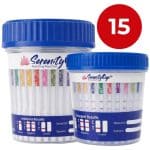
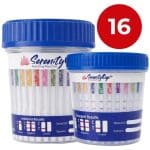
A built-in adulteration strip can catch the most common tampering methods—especially heavy dilution and obvious chemical additives. It won’t solve identity or substitution on its own, so collection controls still matter. If you want a multi-panel cup that screens broadly and includes an integrated integrity check, choose 15 Panel Drug Test with Kratom, Alcohol, (ETG) Fentanyl And Adulterations, Low price $2.49 from 12 Panel Now.