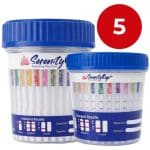
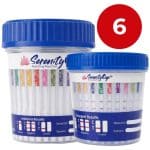
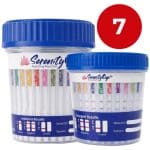
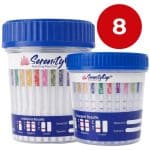
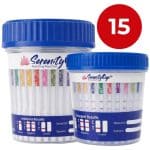
Is a 15-Panel Drug Test Cup Easy for Non-Medical Use?

A 15-panel drug test cup may sound like something meant only for clinics or labs, so it is natural to wonder whether someone without medical training can use it correctly. In most cases, yes. If the cup has clear instructions, built-in checks, and an easy-to-read result window, non-medical users can handle it with confidence. What matters most is understanding how the process works, where mistakes happen, and which features make the test easier to use accurately.
What does “easy to administer accurately” really mean?
For non-medical users, accuracy comes from following a clear process. A good test cup should make sample collection straightforward, show results clearly, and avoid forcing the user to interpret too many variables at once. If someone can collect the urine sample, secure the lid, wait the required time, and read the visible lines correctly, the test is practical for routine screening.
That does not mean no training at all. It means minimal training. A supervisor, parent, office manager, or program staff member should still understand timing, sample handling, and result interpretation. The goal is consistent screening, not a lab-level diagnosis.
Why do some drug test cups feel harder than others?
The problem is usually unnecessary complexity. Some tests involve extra steps, separate strips, or additional handling after collection. Every added step increases the chance of user error. A well-designed cup keeps everything contained in one device, which helps non-medical users stay organized and avoids confusion.
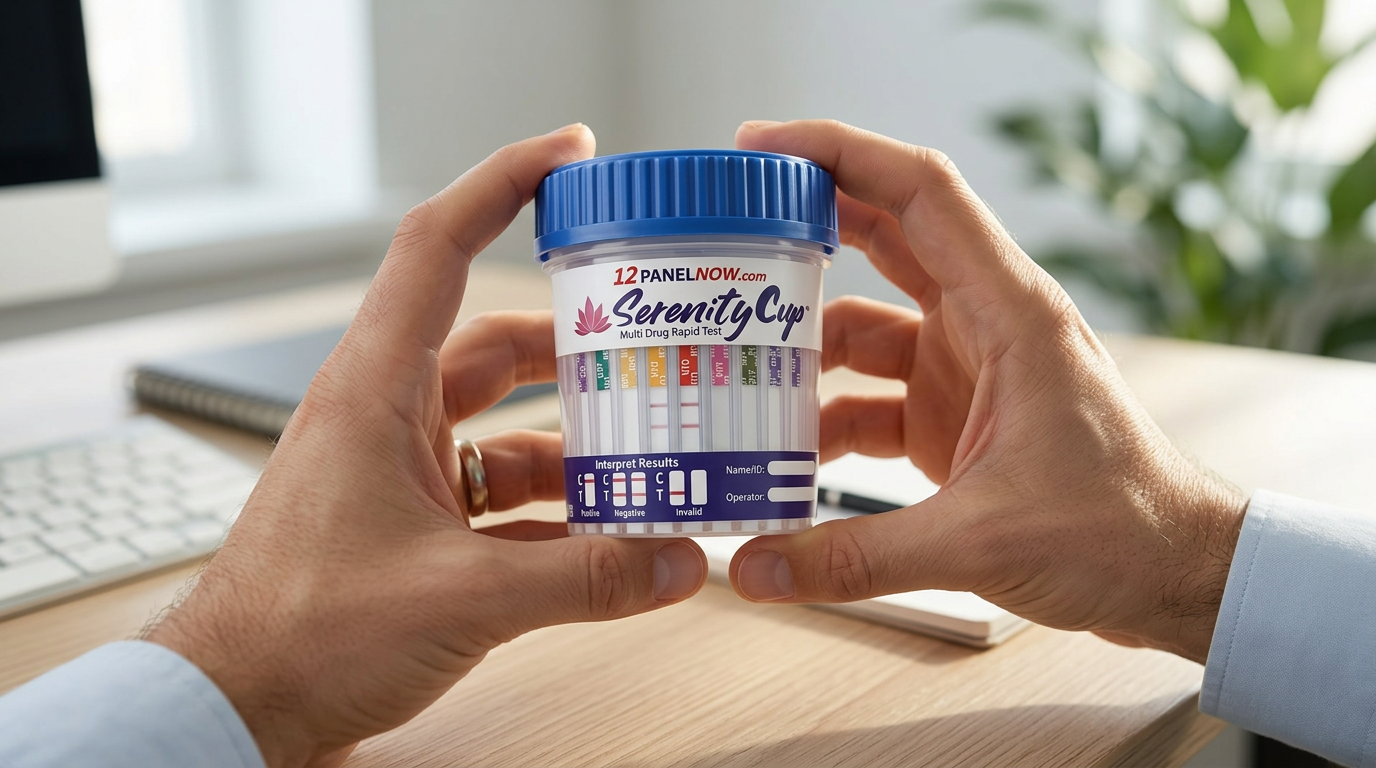
Panel count can also make buyers uneasy. A 15-panel cup checks for more substances than a basic 5-panel test, so some assume it must be harder to read. Usually, that is not the case. The visual logic stays the same: lines appear in labeled sections. If the result area is clearly marked, moving from fewer panels to more panels does not make the process much harder.
What skills does a non-medical person actually need?
You do not need clinical training to use a rapid urine test cup. You need attention to detail and the discipline to follow instructions. Most users do well when they rely on a simple checklist instead of memory.
- Collect the sample in the cup without contamination
- Secure the lid completely
- Place the cup on a flat surface
- Read the results within the stated time window
- Confirm that control lines appear
- Record the result immediately
Those steps are simple by design. Most problems show up when users rush, read the results too late, or skip sample-integrity checks.
Where do non-medical users make mistakes?
Most mistakes have nothing to do with the chemistry of the test. They come from timing and handling. If someone reads the results too early, a panel may look incomplete. If they read too late, they may see changes that should not be used to make a decision. That is why the instruction sheet matters.
Another common problem is sample validity. If the person giving the test does not watch for signs of tampering, the result becomes less useful. This is one reason an adulteration strip is valuable. It gives non-medical users another layer of confidence by checking whether the sample appears valid before anyone treats the result as meaningful.
The most common accuracy problems
- Reading results outside the stated time frame
- Failing to confirm the control line
- Using too little sample
- Letting the sample sit too long before review
- Ignoring possible adulteration
- Recording the wrong panel result
Does a built-in adulteration check make testing easier?
Yes, because it removes one of the biggest uncertainties. Non-medical users often worry about the same thing: what if the sample was altered? A cup with an integrated adulteration check helps answer that question within the same device. That saves time and reduces second-guessing.
This matters in real-world settings. An employer wants confidence after a post-incident screen. A parent wants fewer unknowns. A treatment program needs to know whether the sample is trustworthy before discussing the result. When the cup includes that check, the user does not need separate tools or extra judgment calls.
Can non-medical personnel trust the results?
Yes, as long as the cup is used as a screening tool and the instructions are followed. Rapid cups are popular because they deliver fast answers on-site. That makes them useful in workplaces, homes, treatment programs, and other settings that need a quick first screen.
There is still an important distinction to keep in mind: screening is not confirmation. A rapid cup can quickly identify a negative screen and flag a non-negative result for follow-up. If the result has legal, employment, or medical consequences, a lab confirmation should be the next step.

Is a 15-panel cup harder to read because it tests more substances?
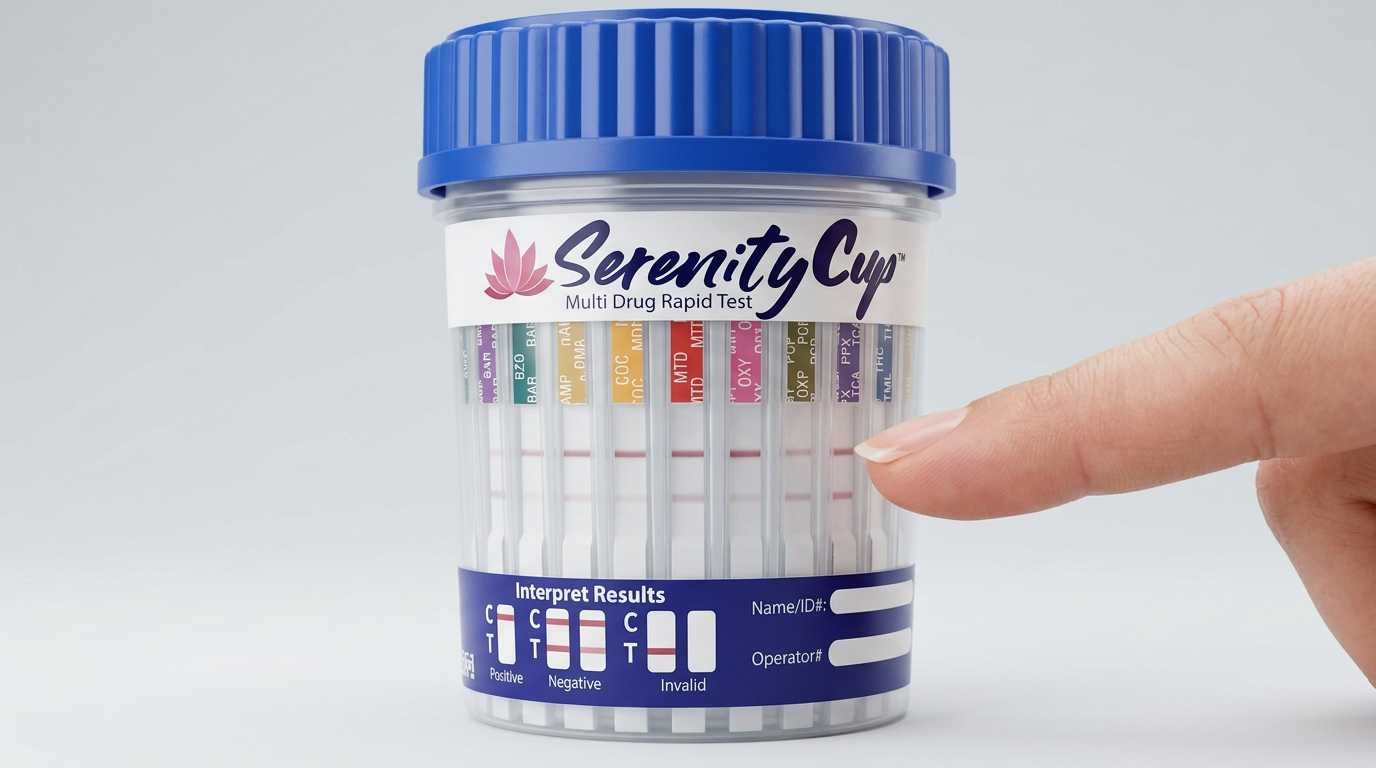
Usually not. More panels add range, not complexity. The user still follows the same routine: check the control, review each labeled panel, and record the outcome. It only becomes difficult when the cup has poor labeling or weak instructions.
That is why product design matters more than panel count. A strong 15-panel cup should present the information in a way that feels organized. If the labels are clear and the result lines are easy to see, a non-medical user can manage the test with the same basic skills used for smaller panel cups.
What should buyers look for before choosing a cup for non-medical staff?
Buyers should focus on features that reduce judgment errors. In this case, “easy” means the test supports correct use under normal conditions by people who do not run lab tests every day.
- Clear instructions: Short, direct steps reduce user error.
- Easy-to-read result window: Clear labeling helps users read each panel confidently.
- Integrated adulteration check: This helps verify sample integrity in the same device.
- Broad panel coverage: A wider screen can reduce the need to buy separate tests.
- Low cost per test: This makes repeat screening more practical.
These points matter more than flashy marketing claims. If the cup is simple to use and easy to read, non-medical staff are far more likely to administer it correctly.
Who benefits most from an easy 15-panel cup?
Several groups benefit from this kind of test because they need fast screening without a medical professional involved at every step. It is especially useful in settings where speed, privacy, and straightforward administration matter.
- Small businesses handling pre-employment or random screening
- Recovery programs monitoring compliance
- Parents who want private home screening
- Probation or community supervision programs
- Organizations that need on-site testing without lab equipment
In each of these settings, ease of use affects whether the test is used correctly and consistently. A simple cup does more than save time. It makes the screening process easier to repeat, track, and document.
So, is a comprehensive 15-panel drug test cup truly easy enough?
Yes, if the product is designed for point-of-care use and the person administering it follows the instructions closely. The right cup does not ask non-medical users to make technical judgments. It asks them to collect, wait, read, and record. For most adults in workplace, home, and program settings, that is manageable.
The real issue is not whether a 15-panel cup is too advanced. It is whether the specific product removes enough friction to support accurate use. When a cup combines broad screening, a built-in adulteration check, and a simple read format, non-medical administration becomes both practical and reliable.
FAQ
Do non-medical personnel need certification to use a drug test cup?
In many routine screening settings, no formal medical certification is required to use a rapid urine test cup. The user still needs to follow the product instructions and any workplace or program rules.
Can a rapid cup replace lab testing?
No. A rapid cup is an initial screening tool. It provides quick on-site results, but any non-negative result that affects legal, employment, or clinical decisions should be confirmed by a lab.
Does an adulteration strip really help at-home or workplace testing?
Yes. It helps the person administering the test check whether the sample appears valid. That added step improves confidence and helps reduce disputes over possible tampering.
Conclusion
A 15-panel drug test cup is easy enough for non-medical users when the process is simple, the result window is clear, and the sample-integrity check is built in. Buyers should focus on products that reduce user error and support fast, consistent screening. For a practical option that keeps the process straightforward, 15 Panel Drug Test with Kratom, Alcohol, (ETG) Fentanyl And Adulterations, Low price $2.49 from 12 Panel Now is a strong choice.