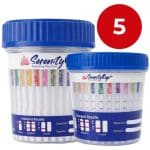
Confirm CLIA Waived Urine Drug Screens for Workplace & Clinical Accuracy Needs


When drug screening matters, accuracy, speed, and compliance are essential. Employers, occupational health teams, treatment programs, clinics, and testing administrators need reliable tools that support informed decisions without adding unnecessary complexity. That is why CLIA waived urine drug screens remain a trusted choice in workplace and clinical settings. They simplify testing workflows while delivering the performance organizations count on.
At 12 Panel Now, we know every test result matters. A workplace program may be protecting employee safety and meeting regulatory requirements. A clinical office may be monitoring treatment progress or guiding patient care. In either setting, the point-of-care screening device should be easy to use, simple to read, and backed by the right approvals. Choosing an FDA approved and CLIA waived urine dip test helps organizations meet those standards with confidence.
Why CLIA Waived Status Matters
CLIA waived tests are classified for simple use and a low risk of error when used according to the manufacturer’s instructions. For many organizations, that makes implementation easier and reduces operational burden. Instead of building a complex laboratory process for initial screening, teams can use a waived test that fits into everyday workflows.
This is especially useful in high-volume or time-sensitive environments. Employers may need rapid screening for post-accident protocols, random testing, or pre-employment programs. Clinical settings may need a practical option for routine monitoring that does not disrupt patient flow. CLIA waived status makes testing more accessible while supporting a compliant and efficient screening process.
Just as important, ease of use should not come at the expense of consistency. A waived test still needs to deliver dependable screening performance. That is where product quality, clear result windows, and reliable manufacturing standards matter most.
The Value of FDA Approval in Urine Drug Screening
FDA approval adds another level of confidence for organizations that need dependable screening tools. In workplace and clinical environments, there is little room for guesswork. Decision-makers need to know the product they choose has met established standards for safety and effectiveness.
An FDA approved urine dip test strengthens confidence in the screening process. It shows the product has gone through a formal regulatory review and gives users added assurance when selecting tools for their programs. Whether the goal is managing testing for an employer network or equipping a clinical practice with point-of-care supplies, FDA approval is a meaningful standard.
It can also help support internal policy requirements. Many organizations prefer or require products with recognized regulatory standing. By choosing a test that is both FDA approved and CLIA waived, they address two priorities at once: practical usability and trusted performance.
Workplace Testing Needs Demand Speed and Clarity
In workplace testing, time matters almost as much as accuracy. Safety-sensitive industries cannot afford delays when screening is part of pre-employment, random, reasonable suspicion, or post-incident protocols. Human resources teams, third-party administrators, and occupational health providers all benefit from a device that delivers fast, readable results without unnecessary steps.
Urine dip tests remain a popular option because they are efficient and familiar. The format works well for on-site administration and quick interpretation, making it easier to keep a testing program moving. Rather than relying on more involved collection and processing workflows for every initial screen, organizations can use a point-of-care option that supports immediate next-step decisions.
Clarity matters too. Tests should be easy to read, with result indicators that reduce confusion and help staff follow protocol consistently. When a screening device is intuitive, training becomes simpler, user error is less likely, and handling is more standardized across locations and personnel.
For employers with multiple sites or frequent testing needs, standardization can make a major difference. Consistent product quality and predictable performance help keep policies enforceable and processes repeatable, both of which are key to maintaining a credible drug-free workplace program.
Clinical Environments Need Practical Reliability
Clinical teams face a different, but equally important, set of pressures. In physician offices, behavioral health programs, pain management settings, and treatment centers, urine drug screening is often part of ongoing patient monitoring. These teams need tools that fit naturally into daily care routines while supporting documentation and follow-up.
A CLIA waived dip test is well suited to that environment because it can be used at the point of care with minimal disruption. Staff can administer the screen, review results promptly, and decide whether confirmatory testing or additional clinical action is needed. That workflow supports patient engagement and timely decision-making.
Reliability is central in clinical use. Screening is not just about convenience. It is about giving providers useful information when they need it. A dependable urine drug screen supports better oversight, clearer patient conversations, and more responsive care management. Paired with established confirmatory testing protocols when needed, it serves as an efficient first-line tool for real-world clinical practice.
Why a 12-Panel Configuration Offers Strong Coverage
One of the main advantages of a 12-panel urine dip test is broader coverage. Instead of relying on a limited menu, organizations can screen for a wider range of commonly tested drug classes with a single device. That can be especially useful for employers and clinicians who need broad visibility without juggling multiple products or fragmented workflows.
Expanded panel coverage can improve efficiency and simplify purchasing. It can also support more comprehensive screening protocols based on an organization’s needs. For workplace programs, that may mean better alignment with company policy or industry requirements. For clinical users, it can provide a more complete initial picture for monitoring purposes.
The benefit is not just operational. A broader panel can also improve consistency across cases. When teams use the same well-designed device for routine screening, they avoid piecemeal processes that can create confusion or variability. A single, dependable 12-panel option helps make implementation easier and program management more cohesive.
Features That Matter in a Point-of-Care Dip Test
Not all urine drug screens are equal, even when they look similar at first glance. Organizations comparing options should look beyond the basic format and focus on the features that affect daily use. Ease of handling, legibility, shelf stability, and clear instructions all contribute to successful deployment.
A high-quality dip test should support straightforward administration from collection to read time. Staff should not have to deal with unclear controls or inconsistent strip performance. The more user-friendly the design, the more likely teams are to follow procedures correctly and trust the process.
Interpretation is just as important. Clear control and test lines reduce ambiguity and support more consistent reading of results. In a busy clinic or workplace setting, small design details can have a real impact on efficiency and confidence. Training is easier when the device is intuitive, and repeat testing due to uncertainty can be reduced.
Supply continuity is another key consideration. Organizations need vendors that provide consistent product availability and responsive support. Drug screening programs do not run well with unreliable inventory or uneven product quality. Choosing a trusted source matters just as much as choosing the right test.
Supporting Compliance Without Overcomplicating the Process
Drug screening programs have to balance compliance with usability. If a process is too complicated, staff adoption drops, turnaround slows, and mistakes become more likely. If it lacks proper safeguards or validated tools, confidence in the results suffers. The goal is a screening method that is both credible and manageable.
That balance is one reason CLIA waived urine dip tests remain widely used. They help organizations build efficient, repeatable workflows while preserving the structure needed for responsible screening practices. In many settings, the initial screen is only one part of a broader protocol that may include chain-of-custody procedures, documentation standards, and confirmatory laboratory testing when indicated. A dependable dip test fits into that framework without creating unnecessary friction.
For employers, that can mean stronger program consistency. For clinicians, it can mean smoother patient encounters and quicker insight. In both cases, the right screening product helps teams focus on action instead of administration.
Choosing a Trusted Testing Partner
The product matters, but so does the supplier behind it. Organizations need more than a catalog item. They need a source that understands the demands of workplace and clinical testing and offers products that match those realities. At 12 Panel Now, we focus on dependable urine drug screening solutions built for practical use, regulatory confidence, and day-to-day efficiency.
Our approach centers on clarity and trust. Buyers are not looking for added complexity. They want a test they can implement with confidence, train on easily, and rely on consistently. When a screening device is both FDA approved and CLIA waived, it becomes a stronger fit for organizations that need credible results without extra operational burden.
Whether you are expanding a workplace testing program, standardizing supplies across multiple sites, or improving point-of-care screening in a clinical setting, the right urine dip test can strengthen your process from the start.
Conclusion
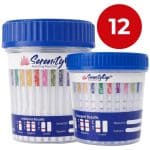
When accuracy, speed, and usability all matter, a CLIA waived urine drug screen with FDA approval is a smart choice for workplace and clinical testing programs. A dependable 12-panel dip test can simplify administration, support consistent screening protocols, and give organizations the confidence they need to make timely decisions. If you need a practical solution that balances compliance with everyday efficiency, consider the 12 Panel Dip Test – FDA approved and CLIA waived from 12 Panel Now to strengthen your testing program.