



Complete Guide to Drug Testing in Probation

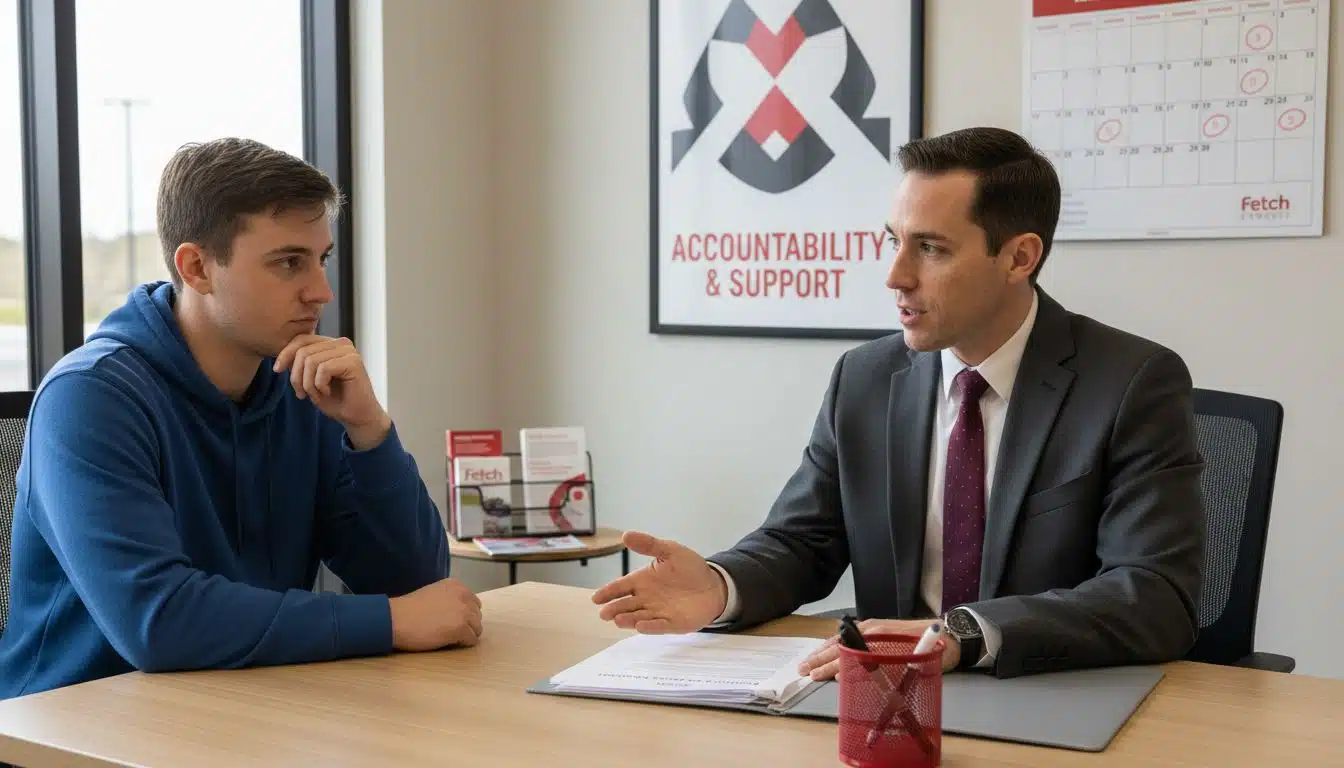
More than one million people in the United States are under probation supervision at any given time, and for many of them, drug testing becomes a regular part of life. This process does much more than simply check for substance use. It acts as a safeguard for public safety, a measure for progress in recovery, and an essential layer of accountability during rehabilitation. Understanding how drug testing shapes the probation experience helps reveal why these programs carry such weight for both individuals and the wider community.
Table of Contents
- Role of Drug Testing in Probation
- Types of Drug Tests Used in Probation
- How Drug Testing Works in Probation Programs
- Legal Requirements and Policy Framework
- Rights, Obligations, and Common Challenges
Key Takeaways
| Point | Details |
|---|---|
| Role of Drug Testing | Drug testing is crucial for monitoring rehabilitation and preventing criminal relapse in probationary settings. |
| Types of Drug Tests | Various testing methods such as urine, oral swab, hair follicle, and blood tests are employed to ensure compliance and support recovery. |
| Holistic Approach | Successful drug testing integrates medical support and accountability to help reduce recidivism and foster rehabilitation. |
| Legal and Rights Framework | Probation drug testing policies must balance offenders’ rights with public safety, ensuring confidentiality and non-discriminatory practices. |
Role of Drug Testing in Probation
Drug testing plays a critical role in the probation system as a key mechanism for monitoring offender rehabilitation and ensuring public safety. Probation drug testing serves multiple essential functions, from tracking substance abuse recovery to preventing potential criminal relapse. According to research from Illinois Criminal Justice Information Authority, these programs are fundamental to effective community supervision strategies.
The primary objectives of drug testing in probation extend far beyond simple surveillance. Probation officers utilize these tests to:- Assess an offender’s compliance with rehabilitation requirements- Identify potential substance abuse issues early- Provide data for treatment plan modifications- Encourage accountability and behavioral change
Most probation departments implement structured drug testing protocols that involve random screening intervals. This unpredictability helps prevent offenders from strategically timing their substance use. By conducting tests at unexpected moments, probation systems create a consistent deterrent against drug use. The Illinois Criminal Justice Information Authority recommends improving communication between probation officers, treatment providers, and clients to enhance the effectiveness of these programs.
Successful drug testing in probation requires a holistic approach. It’s not just about detecting substance use, but understanding the underlying factors driving an offender’s behavior. When combined with supportive rehabilitation services, drug testing becomes a powerful tool for helping individuals break cycles of addiction and reduce recidivism rates. The goal is rehabilitation, not punishment.
Types of Drug Tests Used in Probation
Probation departments employ various drug testing methods to monitor offender compliance and support rehabilitation efforts. United States Probation Office provides comprehensive guidelines on these testing protocols, highlighting the critical role of accurate substance screening in community supervision.
The most common types of drug tests used in probation include:
- Urine Analysis: The gold standard for drug testing
- Oral Swab Tests: Quick and non-invasive screening method
- Hair Follicle Tests: Detecting long-term substance use patterns
- Blood Tests: Most accurate but most invasive method
Each testing method offers unique advantages and challenges. Urine tests remain the most prevalent, providing a balance between accuracy and cost-effectiveness. These tests can detect a wide range of substances and offer a relatively recent history of drug use. According to the United States Probation Office, the choice of test depends on multiple factors, including the specific probation requirements, suspected substances, and available resources.
Modern probation drug testing goes beyond simple detection. Oral swab tests have gained popularity due to their immediacy and difficulty to manipulate. These tests provide real-time insights into recent drug use, making them particularly effective for on-the-spot screening. The goal remains consistent: supporting offenders in their rehabilitation journey while maintaining public safety through comprehensive monitoring.
How Drug Testing Works in Probation Programs
Probation drug testing is a sophisticated process designed to monitor and support offender rehabilitation through systematic screening and accountability. While no specific research data was provided, the process typically involves a comprehensive approach that balances accountability with supportive intervention.
The drug testing workflow in probation programs generally follows these key stages:
- Initial Assessment: Determining testing frequency and specific substances to screen
- Random Scheduling: Implementing unpredictable test intervals
- Sample Collection: Using approved testing methods
- Laboratory Analysis: Conducting precise substance screenings
- Reporting Results: Communicating findings to probation officers
Probation departments typically establish clear testing protocols that outline expectations and consequences.
These protocols often include provisions for:
- Frequency of drug tests
- Types of substances being screened
- Consequences of positive test results
- Opportunities for rehabilitation support
Drug testing FAQs highlight the importance of a structured approach. The process is not punitive but rehabilitative, designed to help individuals maintain sobriety and successfully reintegrate into society. By providing consistent monitoring and support, probation drug testing programs aim to break cycles of substance abuse and reduce recidivism rates.
Legal Requirements and Policy Framework
Drug testing policies in probation programs are deeply rooted in complex legal frameworks that balance individual rights with public safety concerns. Executive Order 12564, signed by President Ronald Reagan in 1986, established a pivotal precedent by authorizing drug testing for federal employees and creating a foundation for broader substance screening protocols across various governmental systems.
The legal landscape of probation drug testing involves several critical components:
- Constitutional protections against unreasonable searches
- Fourth Amendment considerations
- Specific consent requirements for testing
- Clear documentation of testing procedures
- Transparent reporting mechanisms
According to research from the Office of Justice Programs, probation departments must navigate a delicate balance between enforcement and rehabilitation. Legal requirements typically mandate that drug testing protocols:
- Provide advanced notice of testing procedures
- Ensure non-discriminatory implementation
- Maintain strict confidentiality of test results
- Offer opportunities for rehabilitation and treatment
The evolution of drug testing policies reflects a nuanced approach to criminal justice. Modern legal frameworks recognize that punitive measures alone are insufficient. Instead, Ensuring Public Safety requires a comprehensive strategy that combines accountability with supportive interventions, ultimately aiming to reduce recidivism and support individual recovery.
Rights, Obligations, and Common Challenges
Probation drug testing presents a complex landscape of individual rights and systemic responsibilities that require careful navigation. Office of Justice Programs research highlights the delicate balance between monitoring offender behavior and protecting constitutional protections.
Probationers have specific rights during drug testing processes, including:
- Protection against arbitrary or discriminatory testing
- Right to confidentiality of test results
- Opportunity to challenge test findings
- Access to rehabilitation resources
- Transparent communication about testing procedures
Common challenges in probation drug testing emerge from multiple interconnected factors. According to Illinois Criminal Justice Information Authority, probation departments frequently encounter obstacles such as:
- Limited resources for comprehensive testing
- Variations in testing technology accuracy
- Balancing punitive measures with rehabilitation goals
- Managing individual privacy concerns
- Addressing potential false-positive results
Drug testing FAQs underscore the importance of a nuanced approach. The ultimate goal remains supporting offender rehabilitation while maintaining public safety, recognizing that successful probation programs must blend accountability with compassionate intervention.
Equip Your Probation Program with Reliable Drug Testing Supplies
Managing drug testing in probation programs requires precision, accountability, and trust. The challenges of maintaining random screenings, ensuring accurate results, and balancing legal requirements demand dependable tools designed for clear outcomes and supportive rehabilitation. Whether you face issues like balancing punitive measures with rehabilitation goals or managing confidentiality and testing accuracy, having the right supplies can transform your approach.
Discover how 12 Panel Now supports your mission by offering high-quality drug testing supplies tailored for probation monitoring and compliance. Visit our Complete Drug Test Knowledge Base – 12 Panel Now to explore the range of options and answers to common concerns in our Drug Testing FAQs: Unravel the Mysteries about Drug Testing. Ready to enhance your probation drug testing program with trusted supplies Visit us now at 12 Panel Now and take the first step toward accurate drug monitoring that empowers rehabilitation and public safety.
Frequently Asked Questions
What is the role of drug testing in probation?
Drug testing in probation helps monitor offender rehabilitation, ensures compliance with treatment requirements, and prevents potential relapse into criminal behavior. It serves both as an accountability tool and as a method to support recovery.
What types of drug tests are commonly used in probation programs?
Probation programs commonly use urine analysis, oral swab tests, hair follicle tests, and blood tests. Each method has its advantages, with urine tests being the most widely used for their balance of accuracy and cost-effectiveness.
How does the drug testing process work in probation?
The drug testing process in probation involves several key stages: initial assessment to determine testing frequency, random scheduling of tests, sample collection, laboratory analysis, and reporting of results to probation officers.
What rights do probationers have regarding drug testing?
Probationers have rights such as protection against arbitrary testing, confidentiality of test results, the opportunity to challenge findings, access to rehabilitation resources, and transparent communication about testing procedures.
Recommended
- Workplace Drug Testing Checklist: 8 Essential Steps – 12PanelNow | 12 Panel Drug Test | Free Shipping
- Study: Drug Testing’s Impact on Long-Term Sobriety – 12PanelNow | 12 Panel Drug Test | Free Shipping
- Ultimate Guide to Custom Drug Panels – 12PanelNow | 12 Panel Drug Test | Free Shipping
- Essential Guide to Probation Drug Testing – 12 Panel Now