Complete Guide to Why Workplace Drug Testing


Nearly half of US employers now require some form of workplace drug testing to reduce accidents and ensure safety. With substance misuse costing workplaces billions every year, organizations are under growing pressure to protect both their staff and their bottom line. Understanding how drug testing works, the legal rules that shape it, and the risks involved can make the difference between a fair, effective policy and costly mistakes.
Table of Contents
- What Is Workplace Drug Testing? Key Concepts
- Types of Workplace Drug Testing Methods Explained
- Legal Framework and Compliance Requirements
- Employer Responsibilities and Implementation Steps
- Risks, Limitations, and Common Pitfalls
Key Takeaways
| Point | Details |
|---|---|
| Purpose of Drug Testing | Workplace drug testing aims to enhance safety, prevent accidents, and promote accountability by identifying substance use among employees. |
| Testing Methods | Various methods, including urine, blood, hair, saliva, and sweat, are available, each with distinct advantages and limitations to consider. |
| Legal Compliance | Employers must adhere to legal requirements regarding consent, privacy protection, and non-discrimination to safeguard employee rights during testing. |
| Implementation Essentials | A structured approach for policy development, employee communication, and support mechanisms is critical for effective drug testing program management. |
What Is Workplace Drug Testing? Key Concepts
Workplace drug testing is a systematic process designed to detect the presence of drugs or alcohol in an employee’s biological specimen. According to SAMHSA, this critical practice aims to ensure a safe, productive, and healthy work environment by identifying individuals who might be under the influence of substances during work hours.
The core objective of workplace drug testing extends beyond mere detection. It serves multiple crucial functions: preventing workplace accidents, maintaining organizational safety standards, reducing potential liability risks, and promoting a culture of accountability. Employers typically screen for a range of substances, including but not limited to marijuana, cocaine, amphetamines, opioids, and prescription medications that could impair job performance.
Drug testing processes can occur through various methods and timing scenarios:
- Pre-employment screening: Conducted before hiring to ensure candidates meet organizational substance standards
- Random testing: Unpredictable screenings to maintain ongoing workplace safety
- Post-accident testing: Performed after workplace incidents to determine potential substance involvement
- Reasonable suspicion testing: Initiated when an employee demonstrates behavioral signs of potential substance use
By implementing a comprehensive drug testing checklist, organizations can create structured, fair, and transparent protocols that protect both employee and employer interests. Understanding these key concepts helps businesses develop robust drug testing strategies that balance safety, privacy, and legal compliance.
Types of Workplace Drug Testing Methods Explained
Workplace drug testing involves multiple biological specimen collection methods, each with unique characteristics and detection capabilities. According to SAMHSA, organizations can choose from various testing approaches including urine, blood, hair, saliva, and sweat sample analyses, depending on specific screening requirements and organizational objectives.
NIDA confirms that urine drug screening remains the most prevalent method, offering rapid and cost-effective results. However, each testing method presents distinct advantages and limitations that employers must carefully consider:
- Urine Testing
- Fastest and most common method
- Detects recent substance use
- Relatively affordable
- Potential for sample manipulation
- Blood Testing
- Most accurate for determining current intoxication
- Provides precise substance concentration levels
- More invasive and expensive
- Shorter detection window
- Hair Follicle Testing
- Longest detection window (up to 90 days)
- Difficult to manipulate
- Reveals long-term substance use patterns
- More expensive
Companies can explore comprehensive drug screening options to develop targeted testing strategies that balance accuracy, cost, and organizational safety requirements. The key is selecting a method that aligns with specific workplace needs while maintaining employee privacy and legal compliance.
Legal Framework and Compliance Requirements
Workplace drug testing operates within a complex legal landscape that balances employer safety needs with employee privacy rights. According to SAMHSA, employers implement drug testing programs to promote organizational health and safety, ensuring compliance with federal and state regulatory requirements.
The legal framework for drug testing varies significantly across different industries and sectors. Federally regulated programs, such as those in transportation, healthcare, and government, have stringent testing protocols. These programs typically screen for specific substances including marijuana, cocaine, amphetamines, opiates, and PCP, with clearly defined procedural standards that protect both employer and employee interests.
Key legal considerations for workplace drug testing include:
- Consent and Notification
- Employees must be informed about testing procedures
- Written policies must clearly outline testing protocols
- Consent forms are typically required
- Privacy Protection
- Confidentiality of test results is legally mandated
- Limited access to individual test information
- Strict chain of custody for sample handling
- Non-Discrimination
- Testing must be applied consistently across all employees
- Protection against discriminatory testing practices
- Reasonable accommodations for medical conditions
Organizations can develop robust compliance strategies that align with legal requirements while maintaining a safe and productive workplace. Understanding these complex regulations helps employers navigate the intricate balance between workplace safety and individual rights.
Employer Responsibilities and Implementation Steps
Implementing a workplace drug testing program requires careful planning and strategic execution. According to SAMHSA, employers must establish clear drug-free workplace policies that comprehensively outline testing protocols, employee expectations, and organizational standards.
The implementation process involves multiple critical components. SAMHSA recommends that employers develop a structured approach that addresses key areas of drug testing management:
- Policy Development
- Create comprehensive written drug testing guidelines
- Define substances to be screened
- Establish clear consequences for policy violations
- Testing Protocol Design
- Select appropriate testing methods
- Determine testing frequency
- Choose certified testing facilities
- Ensure confidentiality of results
- Employee Communication
- Provide clear notification of testing procedures
- Explain rights and responsibilities
- Offer opportunities for employee education
- Support Mechanisms
- Implement employee assistance programs
- Create pathways for rehabilitation
- Maintain non-discriminatory practices
Organizations can leverage best practices for drug testing to develop robust, fair, and legally compliant screening programs. The goal is to create a safe workplace environment that balances organizational safety with employee privacy and support.
Risks, Limitations, and Common Pitfalls
Workplace drug testing is not without its challenges and potential complications. According to NIDA, initial drug screenings can produce false positives or negatives due to various factors, including certain medications, medical conditions, and testing methodology limitations.
SAMHSA highlights several critical risks that organizations must carefully navigate when implementing drug testing programs. These potential pitfalls can significantly impact the effectiveness and fairness of workplace screening efforts:
Key Risks in Workplace Drug Testing:
- Test Accuracy Challenges
- Potential for false positive/negative results
- Variations in testing methodology
- Need for confirmatory testing
- Impact of individual medical conditions
- Privacy and Confidentiality Concerns
- Risks of unauthorized information disclosure
- Potential for workplace discrimination
- Challenges in maintaining employee trust
- Legal implications of improper data handling
- Technical and Procedural Limitations
- Difficulty detecting recent substance use
- Variations in detection windows
- Complexity of interpreting test results
- Potential for sample manipulation
To mitigate these risks, organizations can develop comprehensive drug testing strategies that balance scientific accuracy, legal compliance, and employee privacy. Understanding these potential pitfalls is crucial for creating a fair, effective workplace drug testing program that protects both the organization and its employees.
Take Control of Workplace Safety with Trusted Drug Testing Supplies
Workplace drug testing plays a vital role in creating safer and healthier work environments by helping employers detect substance use and maintain legal compliance. Whether your challenge is to develop fair testing protocols or to select the right testing methods, having reliable testing supplies is key to meeting your goals. From understanding the complexities of drug testing policies to implementing accurate screenings, organizations face real pressure to protect employees and uphold standards with confidence.
Discover how 12 Panel Now supports your mission with our high-quality testing solutions designed for healthcare, law enforcement, and workplace environments. Explore our Complete Drug Test Knowledge Base to learn more about testing types and best practices.
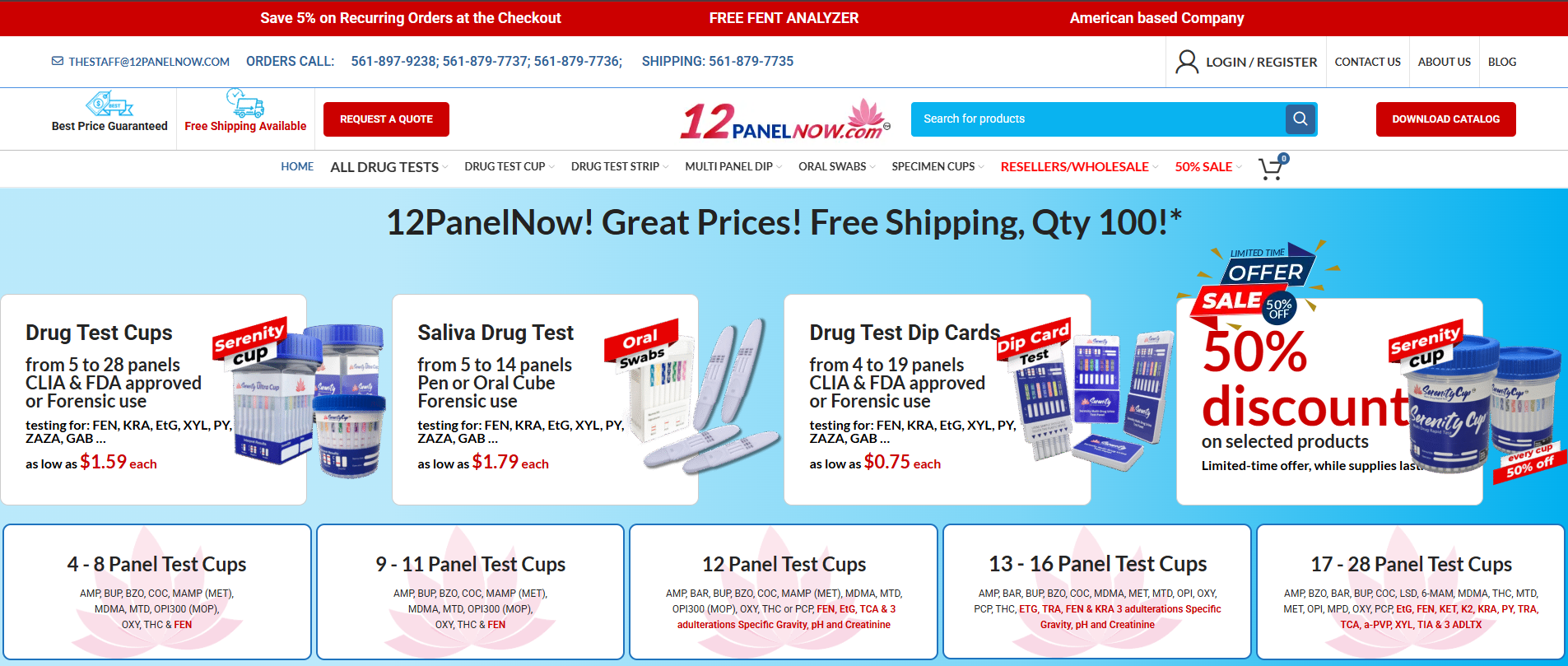
Ready to strengthen your drug testing program now Explore trusted supplies at 12 Panel Now where you will find everything needed to execute efficient and legally compliant drug screens. Have questions about drug testing Visit our Drug Testing FAQs to get clear answers that guide your decisions. Start improving workplace safety today by equipping your team with the right tools and expert resources.
Frequently Asked Questions
What is workplace drug testing?
Workplace drug testing is a systematic process to detect the presence of drugs or alcohol in an employee’s biological specimen, aimed at ensuring a safe and productive work environment.
What are the different types of workplace drug testing methods?
Common methods include urine testing, blood testing, hair follicle testing, saliva testing, and sweat testing. Each method has its own advantages and limitations regarding detection windows and accuracy.
What legal considerations are associated with workplace drug testing?
Legal considerations include obtaining employee consent, ensuring privacy and confidentiality of test results, and applying testing policies uniformly across all employees to avoid discrimination.
What are the key responsibilities of employers when implementing a drug testing program?
Employers should develop clear drug-free workplace policies, establish testing protocols, communicate procedures to employees, and provide support mechanisms like employee assistance programs.
Recommended
- 7-Step Employee Drug Testing Checklist for Workplaces – 12PanelNow | 12 Panel Drug Test | Free Shipping
- Substance Abuse vs. Workplace Productivity: Key Insights – 12PanelNow | 12 Panel Drug Test | Free Shipping
- Workplace Drug Testing Checklist: 8 Essential Steps – 12PanelNow | 12 Panel Drug Test | Free Shipping
- Ultimate Guide to Custom Drug Panels – 12PanelNow | 12 Panel Drug Test | Free Shipping