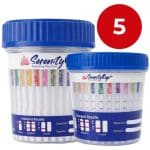
CLIA Waived 12 Panel Drug Tests Explained


If you buy drug tests for a workplace, clinic, or treatment program, you need fast results and clear rules. CLIA waived 12 panel drug tests offer a quick screening option, but the label only tells part of the story. You also need to know what CLIA waived means, how to use results properly, and what to review before ordering. This guide covers the questions buyers ask most often.
What does CLIA waived mean on a 12 panel drug test?
CLIA waived means the test falls into a category of simple tests with a low risk of error when staff follow the instructions. For employers and clinics, that makes it a practical option for point-of-care use without a full lab setup. It does not mean the test replaces lab confirmation or overrides legal and policy requirements.
A CLIA waived drug test is still a screening test. If you get a non-negative result, treat it as preliminary until a certified lab confirms it with a confirmatory method. That extra step helps protect staff, patients, and the decisions tied to the result.
What does a 12 panel drug test screen for?
A 12 panel drug test checks for 12 drug classes or substances in a single urine sample. The exact panel varies by product, so buyers should always verify the substance list before ordering. One 12 panel cup may include drugs that another leaves out.
For many employers and clinics, the appeal is straightforward: one collection, one cup, and broader screening than a basic 5 panel test. That wider coverage can be useful when your program monitors more than the standard workplace panel, especially in clinical settings or higher-risk jobs.
Why do employers choose a CLIA waived 12 panel test instead of lab-first testing?
Most employers choose a rapid cup test because they need a fast first screen. Point-of-care testing can deliver results in minutes, which helps with pre-employment screening, random testing, post-accident reviews, and return-to-duty processes. A lab-first workflow usually takes longer.
Cost is another factor. Rapid screening can cut lab expenses because many negative samples do not need further testing. That allows employers to reserve lab confirmation for non-negative results instead of sending every sample out.
Common reasons employers buy them
- Pre-employment screening with same-visit results
- Random testing programs across multiple sites
- Post-accident screening when timing matters
- Safety-sensitive hiring and monitoring
- Lower per-test cost than lab-first workflows
Why do clinics and treatment programs use them?
Clinics use 12 panel cups because they need quick information during patient visits. A fast screen can support intake, treatment monitoring, pain management review, and recovery program compliance. Staff can collect the sample, check temperature, and read the result during the same appointment.
That speed keeps visits moving and helps providers respond during the appointment instead of waiting days for a lab report. Even so, clinics need clear policies. Screening results guide next steps, while non-negative findings should be confirmed when policy or clinical judgment requires it.
How accurate are CLIA waived 12 panel drug tests?
This is usually the first question buyers ask. A quality rapid screen can provide strong screening performance when staff use it correctly. Accuracy depends on the product, sample integrity, storage conditions, timing, and strict adherence to the instructions. It also depends on treating the result as a screen, not a final diagnosis.
That distinction matters. A negative result from a reliable cup often gives programs enough confidence to move forward. A non-negative result should trigger the next step, which usually means lab confirmation. Good policy matters as much as product quality.
What should you look for before buying a 12 panel cup?
Focus on fit, speed, specimen checks, and ease of use. Do not start with price alone. Start with your testing policy and the substances you need to screen for, then choose a product that matches those needs.
Check these points before you order
- Panel configuration: Make sure the cup includes the substances your program needs.
- CLIA waived status: Confirm the product fits your use setting.
- Specimen integrity tools: A built-in temperature strip helps staff confirm the sample was freshly provided.
- Time to result: Faster reads help busy worksites and clinics.
- Instructions: Clear directions reduce reading errors and staff confusion.
- Order volume: Bulk buying makes the most sense for ongoing programs.

Why does specimen integrity matter so much?
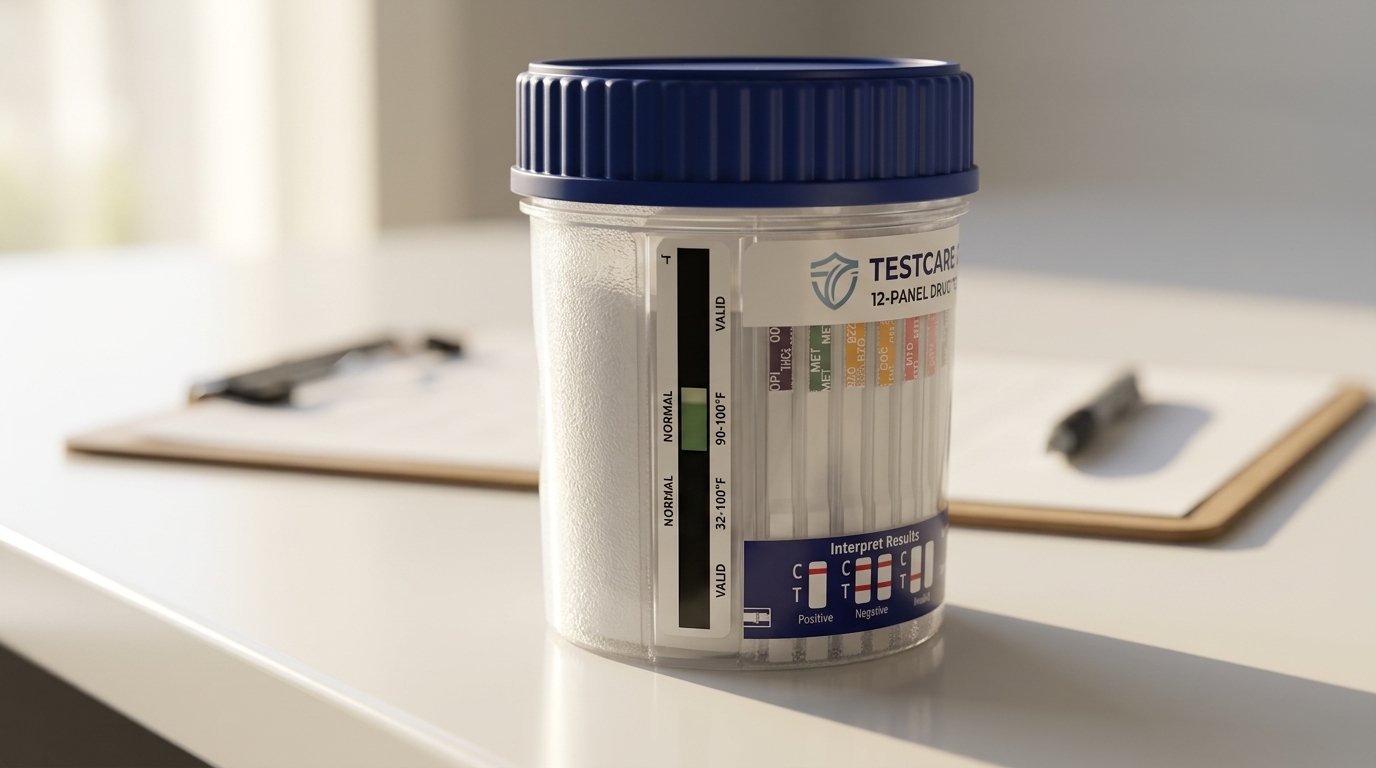
A drug test result has limited value if the sample itself is questionable. That is why specimen integrity checks matter. A built-in temperature strip helps staff see whether the urine sample falls within the expected temperature range shortly after collection. It supports chain-of-custody practices and can help flag possible tampering.
For employers, this supports policy enforcement. For clinics, it strengthens patient monitoring. In both settings, it adds confidence before anyone reads the test lines.
How should employers and clinics handle non-negative results?
They should handle them carefully and the same way every time. A non-negative rapid result is not the same as a confirmed positive result. Your written policy should explain what happens next, who documents the finding, where the sample goes, and how confirmation is arranged.
Consistency reduces disputes and supports fair treatment. It also helps protect your organization if the result later becomes part of an HR file, a treatment record, or a legal review.
Best practice steps after a non-negative screen
- Document the result right away.
- Follow your chain-of-custody process.
- Send the specimen for lab confirmation if your policy requires it.
- Hold final employment or clinical action until confirmation is complete.
- Store records securely and consistently.
Is a 12 panel test enough for every program?
No. A 12 panel test works well for many programs, but the right panel depends on the setting. A transportation employer, an addiction clinic, and a family practice may all need different screens. Some buyers need a standard panel. Others need newer substances or a custom mix based on local risk patterns.
That is why panel review should happen before checkout. If PCP matters in your testing policy, you need a cup that includes it. If your program screens for a specific risk profile, verify every analyte before placing a bulk order.
What makes a good test cup easier for staff to use?
Simple workflow matters. Staff want a cup that is easy to collect, easy to read, and easy to document. An all-in-one cup reduces handling steps, and fewer steps usually mean fewer mistakes. That matters in busy clinics and active workplaces.
Fast turnaround helps too. When staff can read results within minutes, they can move the process forward without extra follow-up, repeat visits, or delayed paperwork. That saves time for both the tester and the person being tested.
When does a product like this make sense?
A 12 panel cup with PCP makes sense when your policy calls for a broad urine screen and you need a clear point-of-care workflow. It fits employers that need an on-site first screen and clinics that need same-visit information. It also works well for programs that value sample temperature checks during collection review.
If your goal is to collect one sample, screen for a wider list of substances, and get a result in minutes, this type of cup is a practical option. The best choice is the one that matches your panel needs, documentation process, and follow-up policy.
FAQ
Do CLIA waived drug tests replace lab confirmation?
No. They are screening tests. A non-negative result should be confirmed by a laboratory method when your policy or use case requires final verification.
Can employers use a 12 panel cup for pre-employment testing?
Yes. Many employers use point-of-care cups for pre-employment screening because they provide fast preliminary results and support a simple collection process.
Why would a buyer choose a cup with PCP on the panel?
A buyer chooses that panel when PCP screening is part of the program’s policy or local testing needs. The panel should always match the substances your organization intends to screen for.
Conclusion
CLIA waived 12 panel drug tests help employers and clinics screen quickly, control costs, and keep testing workflows manageable. The right purchase still comes down to panel fit, specimen integrity, and a clear confirmation process. For a practical on-site screening option, 12 Panel Drug Test Cup with PCP from 12 Panel Now is a strong place to start.